Essential Direct vs Indirect Heat Grilling Guide for Perfect BBQ Results
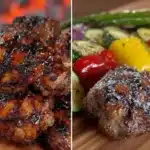
Master the art of grilling by understanding when to use direct and indirect heat methods for perfectly cooked meats and vegetables every time. This guide offers essential tips, ingredient suggestions, and equipment recommendations to elevate your BBQ skills.
- Prep Time: 10 minutes
- Cook Time: Varies depending on cut and method (typically 15-90 minutes)
- Total Time: 25 minutes to 1.5 hours
- Yield: 4 servings
- Category: Main Course
- Cuisine: American
Ingredients
- Steak cuts like ribeye or sirloin (1 to 1.5 inches thick)
- Boneless chicken breasts or thighs (trimmed of excess fat)
- Vegetables like bell peppers, zucchini, mushrooms (sliced or whole small pieces)
- Shrimp or scallops (skewered for easy flipping)
- Whole chicken or spatchcocked chicken
- Pork ribs or larger bone-in cuts (e.g., pork shoulder)
- Larger vegetables like whole potatoes or corn on the cob (wrapped in foil)
- Thicker fish fillets like salmon or swordfish steaks
- Charcoal briquettes or lump charcoal
- Wood chips for smoking (optional, hickory or applewood)
- High smoke point oil (like avocado or grapeseed oil) for brushing
- Dry rub spices or marinades depending on flavor preference
Instructions
- Set up your grill zones: For charcoal grills, pile coals on one side for direct heat and leave the other side empty for indirect heat. For gas grills, turn on burners on one side only, leaving the other side off.
- Preheat the grill: Close the lid and let the grill heat up for about 10-15 minutes. Aim for 450°F to 550°F on the direct side for searing.
- Prepare your food: Pat meats dry and apply oil and seasoning or marinade. For vegetables, toss them in oil and salt to prevent sticking.
- Cooking with direct heat: Place thinner cuts like steaks or chicken breasts directly over the hot coals or burners. Sear for 2-4 minutes per side, watching for grill marks and crust formation.
- Switch to indirect heat: Move thicker cuts or whole chickens to the cooler side of the grill. Close the lid to trap heat and cook slowly. Use a drip pan underneath if needed to catch fat and prevent flare-ups.
- Monitor internal temperature: Use a meat thermometer to check doneness. Chicken should reach 165°F, ribs about 190°F for tender pull-apart texture.
- Manage flare-ups: If flames flare up from dripping fat, quickly move the food to indirect heat and close the lid briefly to tame the fire.
- Rest the meat: Once done, remove from grill and let rest for 5-10 minutes to allow juices to redistribute.
Notes
Use a meat thermometer for best results to avoid undercooking. Manage flare-ups by moving food to indirect heat and closing the lid. Rest meat after grilling to keep it juicy. Adding soaked wood chips during indirect grilling adds smoky flavor. Avoid overcrowding the grill for even cooking.
Nutrition
- Serving Size: One serving is appro
- Calories: 30050
- Sugar: 25
- Fat: 1530
- Saturated Fat: 410
- Carbohydrates: 515
- Fiber: 25
- Protein: 2540
Keywords: grilling, BBQ, direct heat grilling, indirect heat grilling, backyard BBQ, grilling tips, meat grilling, vegetable grilling, charcoal grilling, gas grilling