Love this? Save it for later!
Share the inspiration with your friends
The neighborhood fall potluck was in six hours and I’d completely forgotten. Not just forgotten — I’d actively blanked on the email chain, the sign-up sheet, the whole thing. My phone buzzed with a reminder from my friend Carla at 9 AM and I nearly choked on my coffee. Everyone else would be bringing those elaborate, multi-day preparations — the kind of dishes that get photographed for Instagram before anyone takes a bite. I had a half-empty jug of apple cider in the fridge, some butter that was about to expire, and honestly, a growing sense of panic. I mean, what was I supposed to do with that?
I rummaged through my pantry like a woman possessed. Flour, sugar, baking soda — the usual suspects. But that apple cider, it was just sitting there, looking at me. I’d bought it for a cozy weekend that never happened, and now it was my only hope. I grabbed the butter and started browning it, partly out of desperation and partly because browned butter makes everything taste like you tried way harder than you actually did. The whole kitchen filled with this nutty, warm smell, and I thought, okay, maybe this won’t be a total disaster.
The cake came together in a blur of measuring and mixing. I didn’t have time to overthink it, you know? I just threw things in a bowl and prayed. When I pulled it out of the oven, it was this gorgeous golden brown, and the glaze I drizzled on top pooled in all the right places. I brought it to the potluck feeling like a fraud, honestly. But then people started cutting slices, and the first person who tried it actually closed their eyes. By the end of the night, three people asked for the recipe, and the cake plate was licked clean. That’s the thing about this cozy apple cider cake — it doesn’t need a fancy story or a three-day prep. It just needs a little panic and a lot of apple cider.
Why You’ll Love This Recipe
This isn’t just another apple cake. Let me tell you why this one is different — and why it’s going to become your go-to for every fall gathering, lazy Sunday, or random Tuesday that needs a little sweetness. I’ve tested this recipe about six times now (yes, I’m that person), and each time I tweaked something small until it was absolutely perfect.
- Quick & Easy: Seriously, you can have this cake in the oven in under 15 minutes. No stand mixer needed, no complicated techniques. Just a bowl, a whisk, and a little bit of hope.
- Simple Ingredients: You probably have most of this stuff in your kitchen right now. The apple cider is the star, and it’s everywhere during fall. No fancy grocery store runs required.
- Perfect for Fall Gatherings: This cake was literally born from a potluck panic, and it’s perfect for Thanksgiving, Friendsgiving, or just a cozy night in. It feels special without being fussy.
- Crowd-Pleaser: I’ve served this to kids, adults, picky eaters, and people who “don’t really like cake.” Every single one of them went back for seconds. It’s that good.
- Unbelievably Delicious: The brown butter glaze is the real MVP here. It adds this nutty, caramel-like depth that makes the apple cider flavor sing. The texture is moist, tender, and just melts in your mouth.
What makes this recipe different from all the other apple cakes out there? It’s the combination of reduced apple cider and brown butter. Most recipes just use regular cider and melted butter, but taking that extra step to reduce the cider concentrates the apple flavor, and browning the butter adds a whole new dimension. It’s not just sweet — it’s complex, warm, and deeply satisfying. This is the kind of cake that makes you close your eyes after the first bite, you know that feeling? It’s comfort food reimagined — faster, easier, but with the same soul-soothing satisfaction. Perfect for impressing guests without stress, or turning a simple evening into something memorable.
What Ingredients You Will Need
This recipe uses simple, wholesome ingredients to deliver bold flavor and satisfying texture without the fuss. Most of these are pantry staples, especially during apple season. Let’s break down what you’ll need and why each ingredient matters.
For the Cake
- Apple Cider (1 ½ cups / 355 ml): This is the heart of the cake. You’ll reduce it on the stove to concentrate the flavor. I recommend using fresh, unfiltered apple cider for the best taste — the kind you find at farmers’ markets or in the refrigerated section of the grocery store. Avoid apple juice, which is thinner and less flavorful.
- All-Purpose Flour (2 cups / 250 grams): Standard all-purpose flour gives the cake structure while keeping it tender. For a gluten-free option, you can use a 1:1 gluten-free baking blend, but I haven’t tested that myself.
- Granulated Sugar (1 cup / 200 grams): Regular white sugar adds sweetness and helps create a tender crumb. You could substitute coconut sugar for a less refined option, but the color and flavor will change slightly.
- Light Brown Sugar (½ cup / 100 grams): This adds moisture and a subtle molasses flavor that pairs beautifully with the apple cider. Pack it firmly when measuring. I prefer Domino or C&H brands for consistent results.
- Unsalted Butter (½ cup / 113 grams, melted and slightly cooled): You’ll use melted butter here for simplicity. If you only have salted butter, reduce the added salt by ¼ teaspoon.
- Large Eggs (2, room temperature): Eggs bind everything together and add richness. Room temperature eggs incorporate more easily into the batter. If you’re in a hurry, place them in a bowl of warm water for 5 minutes.
- Vanilla Extract (2 teaspoons): Pure vanilla extract adds warmth and depth. Avoid imitation vanilla if you can — the flavor difference is noticeable in a simple cake like this.
- Baking Soda (1 ½ teaspoons): This is the leavening agent that helps the cake rise. Make sure it’s fresh — test it by dropping a little into vinegar; it should fizz vigorously.
- Salt (½ teaspoon): Salt balances the sweetness and enhances all the other flavors. I use fine sea salt for baking.
- Cinnamon (1 teaspoon): Ground cinnamon is the classic fall spice that complements apple cider perfectly. Freshly ground cinnamon from whole sticks has a more vibrant flavor, but pre-ground works fine.
- Nutmeg (½ teaspoon, freshly grated if possible): Nutmeg adds a warm, slightly sweet spice that’s essential in fall baking. Pre-ground nutmeg is okay, but freshly grated is a game-changer.
- Ground Ginger (¼ teaspoon): A tiny amount of ginger adds a subtle warmth and brightness. You can omit it if you don’t have any on hand.
For the Brown Butter Glaze
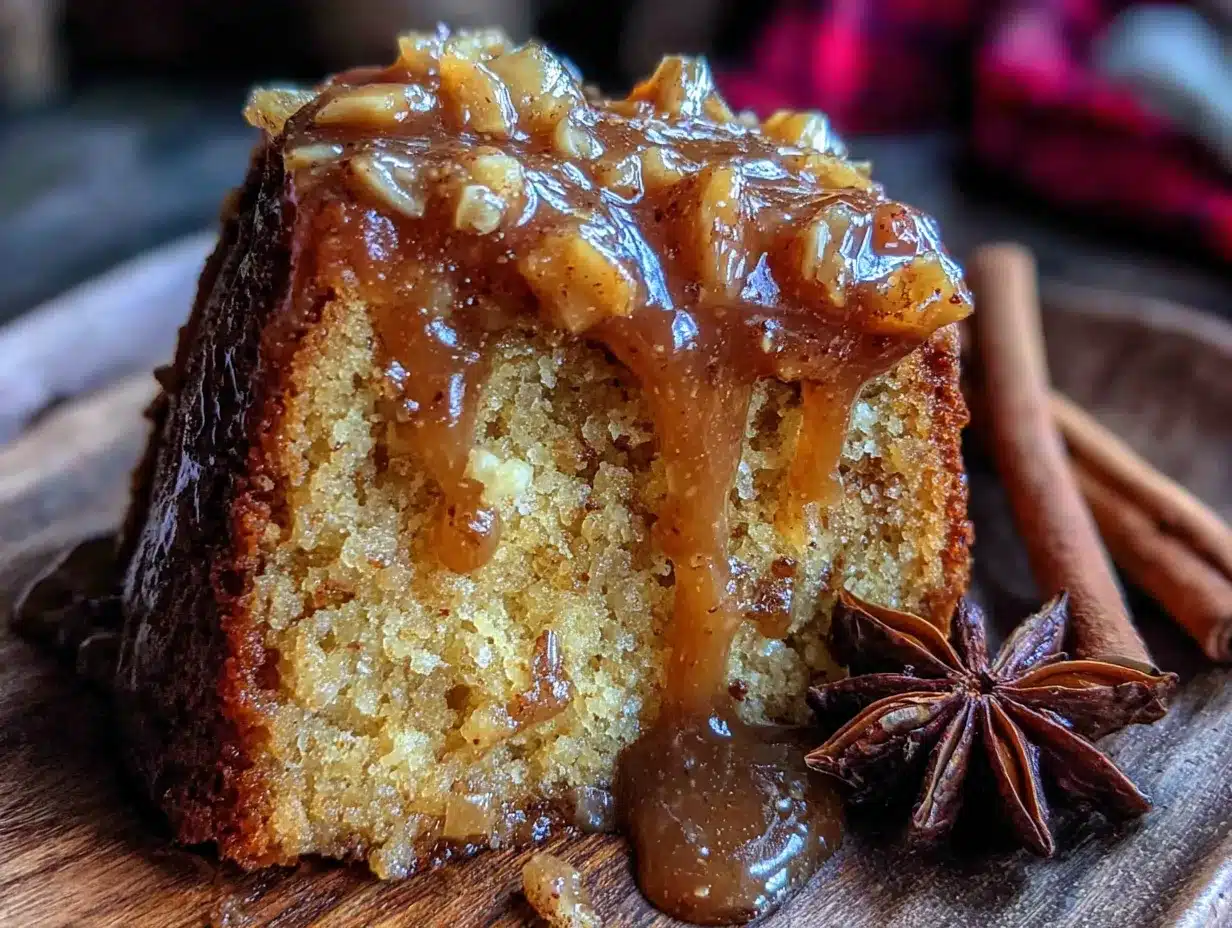
- Unsalted Butter (¼ cup / 57 grams): You’ll brown this butter to create that nutty, toasty flavor. Watch it carefully — it can go from brown to burnt in seconds.
- Powdered Sugar (1 ½ cups / 180 grams): Also called confectioners’ sugar, this creates a smooth, pourable glaze. Sift it if it’s lumpy.
- Apple Cider (2-3 tablespoons / 30-45 ml): This thins the glaze and adds another layer of apple flavor. Start with 2 tablespoons and add more if needed.
- Vanilla Extract (½ teaspoon): A little extra vanilla in the glaze ties everything together.
- Pinch of Salt: Don’t skip this — it balances the sweetness of the glaze and makes the flavors pop.
Equipment Needed
You don’t need a fancy kitchen to make this cake. Here’s what you’ll need:
- 9-inch Round Cake Pan: A standard metal or glass cake pan works perfectly. I prefer a light-colored metal pan for even browning. If you use a dark non-stick pan, check the cake a few minutes early as it tends to brown faster.
- Medium Saucepan: For reducing the apple cider. Any small saucepan will do — just make sure it’s deep enough to prevent boiling over.
- Mixing Bowls: One large bowl for the dry ingredients and another for the wet ingredients. I use my grandmother’s old ceramic bowls, but any set will work.
- Whisk: A good whisk is essential for combining the dry ingredients and smoothing out the batter. A balloon whisk works best.
- Rubber Spatula: For scraping down the sides of the bowl and folding the batter. A silicone spatula is heat-resistant and easy to clean.
- Parchment Paper: Lining the cake pan with parchment paper ensures the cake releases easily. You can also grease and flour the pan if you don’t have parchment.
- Cooling Rack: A wire rack allows air to circulate around the cake, preventing a soggy bottom. If you don’t have one, you can use a clean dish towel on the counter.
- Small Skillet or Saucepan: For browning the butter. A light-colored skillet makes it easier to see the color change as the butter browns.
- Measuring Cups and Spoons: Accurate measurements are important in baking. I recommend using dry measuring cups for flour and sugar, and liquid measuring cups for the cider.
Budget-friendly tip: If you don’t have a 9-inch round pan, you can use an 8×8 inch square pan or even a loaf pan — just adjust the baking time. Start checking for doneness 5-10 minutes earlier.
Preparation Method
Alright, let’s make this cake! I’ll walk you through every step so you feel confident, even if you’re a beginner baker. Take your time and enjoy the process — the smell alone is worth it.
- Preheat and Prep (5 minutes): Preheat your oven to 350°F (175°C). Grease your 9-inch round cake pan with butter or non-stick spray, then line the bottom with a circle of parchment paper. This step is crucial — I learned the hard way after my first cake stuck to the pan and I had to serve it in chunks. Not my finest moment.
- Reduce the Apple Cider (15-20 minutes): Pour 1 ½ cups of apple cider into your medium saucepan. Bring it to a boil over medium-high heat, then reduce the heat to medium-low and let it simmer. Stir occasionally and watch it carefully — it can foam up and boil over. You want it to reduce to about ½ cup (120 ml). This will take about 15-20 minutes. The cider will thicken slightly and smell intensely of apples. Remove it from the heat and let it cool while you prepare the rest of the ingredients. Don’t skip this step — reducing the cider concentrates the flavor and removes excess liquid that would make the cake soggy.
- Mix Dry Ingredients (5 minutes): In a large mixing bowl, whisk together 2 cups of all-purpose flour, 1 ½ teaspoons of baking soda, ½ teaspoon of salt, 1 teaspoon of cinnamon, ½ teaspoon of nutmeg, and ¼ teaspoon of ground ginger. Whisking aerates the flour and ensures the leavening agents are evenly distributed. Set this bowl aside.
- Combine Wet Ingredients (5 minutes): In a separate medium bowl, whisk together 1 cup of granulated sugar and ½ cup of light brown sugar (packed). Add 2 room-temperature eggs and whisk until smooth and slightly pale, about 1 minute. Then whisk in ½ cup of melted unsalted butter (slightly cooled), 2 teaspoons of vanilla extract, and the reduced apple cider. The mixture should look smooth and smell amazing. If the butter seizes up when you add it to the cold eggs, don’t panic — just keep whisking, and it will come together.
- Combine Wet and Dry (3 minutes): Pour the wet ingredients into the bowl with the dry ingredients. Use a rubber spatula to fold everything together gently. Stir just until no streaks of flour remain — about 15-20 strokes. A few small lumps are totally fine. Overmixing will develop the gluten and make the cake tough, and nobody wants a tough apple cider cake. Scrape down the sides and bottom of the bowl to make sure everything is incorporated.
- Bake the Cake (30-35 minutes): Pour the batter into your prepared cake pan and spread it evenly. Tap the pan gently on the counter a few times to release any air bubbles. Bake at 350°F (175°C) for 30-35 minutes, or until a toothpick inserted into the center comes out clean or with just a few moist crumbs. The top should be golden brown and spring back when lightly touched. Every oven is different, so start checking at 28 minutes. My oven runs hot, so I usually check at 25 minutes.
- Cool the Cake (20 minutes): Place the cake pan on a wire cooling rack and let it cool in the pan for 10 minutes. Then run a knife around the edges to loosen it, invert the cake onto the rack, and carefully peel off the parchment paper. Let it cool completely — about 20-30 minutes. If you add the glaze while the cake is still warm, it will soak in and become more of a soak than a glaze. Both are delicious, but for a classic glaze look, wait until it’s fully cool.
- Make the Brown Butter Glaze (10 minutes): While the cake is cooling, make the glaze. Place ¼ cup of unsalted butter in a small light-colored skillet or saucepan over medium heat. Melt the butter, then continue cooking, swirling the pan occasionally. The butter will foam, then the foam will subside, and you’ll see brown specks forming at the bottom. This happens quickly — once the butter turns a golden brown and smells nutty (about 4-5 minutes), remove it from the heat immediately. Pour it into a heat-safe bowl to stop the cooking process.
- Finish the Glaze (5 minutes): Add 1 ½ cups of sifted powdered sugar to the browned butter, along with ½ teaspoon of vanilla extract and a pinch of salt. Start with 2 tablespoons of apple cider and whisk until smooth. If the glaze is too thick, add another tablespoon of cider. If it’s too thin, add a little more powdered sugar. You want it thick enough to drizzle but thin enough to flow slowly off a spoon.
- Glaze and Serve (5 minutes): Once the cake is completely cool, drizzle the brown butter glaze over the top. Let it set for about 5 minutes before slicing. The glaze will form a beautiful, slightly crackly top. Slice and serve, and prepare for compliments.
Cooking Tips & Techniques
I’ve made this cake enough times to know where things can go wrong. Let me save you from my mistakes.
Watch the cider reduction like a hawk. I once got distracted by a phone call and my apple cider reduced to about two tablespoons of sticky, burnt syrup. The smell was… not great. Set a timer and keep an eye on it. When it reaches about ½ cup, it should be syrupy and smell intensely of apples. If it’s too thick, just add a splash of water to thin it out.
Room temperature eggs matter more than you think. Cold eggs can cause the melted butter to seize up, creating lumps in your batter. If you forgot to take them out of the fridge, place them in a bowl of warm water for 5 minutes. This is one of those small steps that makes a big difference in the final texture.
Don’t overmix the batter. I know it’s tempting to keep stirring until it’s perfectly smooth, but resist the urge. Overmixing develops gluten, which makes the cake dense and rubbery. Mix just until the flour disappears. A few lumps are your friends here — they’ll bake out and leave you with a tender, moist crumb.
Test for doneness with a toothpick, not your eyes. The top of the cake might look done while the center is still raw. Insert a toothpick into the center — if it comes out clean or with a few moist crumbs, it’s done. If it’s wet with batter, give it another 3-5 minutes. I usually start checking at 28 minutes.
Brown butter can go from perfect to burnt in seconds. When you’re making the glaze, keep the heat at medium and swirl the pan constantly. The butter will go through stages: melt, foam, then the foam will subside and you’ll see brown specks. As soon as it smells nutty and looks like liquid gold, pull it off the heat. Pour it into a bowl immediately — the residual heat in the pan can continue to cook it.
Let the cake cool completely before glazing. I know it’s hard to wait, but if you pour the glaze on a warm cake, it will soak in and you’ll lose that beautiful glossy finish. If you want a glaze that stays on top, patience is key. If you want a more soaked-in, pudding-like texture, glaze it while it’s slightly warm. Both are delicious — just different.
Variations & Adaptations
This cozy apple cider cake is incredibly versatile. Here are some ways to make it your own:
Gluten-Free Version: Substitute the all-purpose flour with a 1:1 gluten-free baking blend that contains xanthan gum. I’ve used Bob’s Red Mill 1:1 Baking Flour with good results. The texture will be slightly more tender, but the flavor is still fantastic. Add an extra tablespoon of apple cider to compensate for the drier gluten-free flour.
Dairy-Free Version: Replace the butter in both the cake and the glaze with a high-quality vegan butter. I recommend Miyoko’s or Earth Balance. The brown butter flavor won’t be exactly the same (vegan butter doesn’t brown in the same way), but it will still be delicious. Use a dairy-free milk like oat milk or almond milk in the glaze instead of the cider if needed.
Apple Cider Donut Cake: Add ½ teaspoon of apple pie spice to the dry ingredients for extra warmth. After glazing, sprinkle the top with a mixture of cinnamon and sugar (about 1 tablespoon of sugar and 1 teaspoon of cinnamon). This gives it that classic apple cider donut flavor in cake form.
Maple Variation: Replace ¼ cup of the granulated sugar with ¼ cup of pure maple syrup. Reduce the apple cider by 2 tablespoons to compensate for the extra liquid. The maple flavor pairs beautifully with the apple and brown butter. I tried this for a Thanksgiving brunch and it was a hit.
Nutty Addition: Fold in ½ cup of toasted pecans or walnuts into the batter before baking. Toast them in a dry skillet over medium heat for 3-4 minutes until fragrant, then chop them roughly. The crunch adds a lovely texture contrast to the tender cake.
Spiced Glaze: Add ¼ teaspoon of cinnamon or a pinch of cardamom to the glaze for an extra layer of flavor. Cardamom and apple are a match made in heaven — it’s a little unexpected but so good.
Serving & Storage Suggestions
Serving: This cake is best served at room temperature. The glaze will be set but still soft, and the cake will be tender and moist. Slice it into wedges and serve on its own, or with a dollop of lightly sweetened whipped cream or a scoop of vanilla ice cream. For an extra cozy touch, warm individual slices in the microwave for 10-15 seconds before serving — it melts the glaze slightly and makes the cake taste freshly baked.
Pairings: This cake is perfect with a hot cup of coffee, a chai latte, or a mug of spiced apple cider. For a dessert spread, serve it alongside a pumpkin pie or a batch of snickerdoodles. It also makes a wonderful breakfast treat — I won’t tell anyone if you have a slice with your morning coffee.
Storage: Store leftover cake in an airtight container at room temperature for up to 3 days. The glaze may soften slightly over time, but the flavor actually improves. If you need to stack slices, place a piece of parchment paper between them to prevent sticking.
Freezing: This cake freezes beautifully. You can freeze the unglazed cake (wrapped tightly in plastic wrap and then foil) for up to 3 months. Thaw it overnight in the refrigerator, then bring it to room temperature before glazing and serving. Alternatively, you can freeze individual slices for quick treats — just wrap each slice in plastic wrap and place them in a freezer bag.
Reheating: To revive a day-old slice, warm it in a 300°F (150°C) oven for 5-7 minutes, or microwave for 15-20 seconds. The texture will be almost as good as fresh. The flavors actually deepen overnight — the apple cider and spices meld together beautifully, making day-old cake arguably even better than fresh.
Nutritional Information & Benefits
Here’s the approximate nutritional breakdown for one slice of this cake (based on 10 servings):
| Nutrient | Amount per Serving |
|---|---|
| Calories | 320 |
| Total Fat | 14g |
| Saturated Fat | 8g |
| Cholesterol | 65mg |
| Sodium | 260mg |
| Total Carbohydrates | 48g |
| Dietary Fiber | 1g |
| Sugars | 32g |
| Protein | 4g |
While this is definitely a treat, there are some redeeming qualities. Apple cider contains antioxidants called polyphenols, which can help reduce inflammation. Cinnamon is known for its blood sugar-regulating properties, and the butter provides a small amount of vitamin A. This cake is also free of artificial colors and preservatives — it’s made with real, whole ingredients that you can feel good about serving to your family.
For dietary considerations: This recipe contains gluten, dairy, and eggs. It can be adapted to be gluten-free or dairy-free (see variations above). If you’re watching your sugar intake, you can reduce the sugar by ¼ cup, but the texture will be slightly less tender.
I believe in balance — this cake is meant to be enjoyed on special occasions or as a cozy weekend treat. It’s not an everyday breakfast, but it’s absolutely worth every bite. Life is too short to skip dessert, you know?
Conclusion
This cozy apple cider cake with brown butter glaze is proof that you don’t need hours of prep or a fancy ingredient list to create something truly memorable. It came from a moment of panic and a half-empty jug of cider, and now it’s the recipe I turn to every single fall. The reduced apple cider gives it an intense, authentic apple flavor that you just can’t get from extracts or apple pie filling, and that brown butter glaze? It’s the kind of thing that makes people close their eyes and sigh.
I hope you give this cake a try — whether it’s for a potluck, a holiday gathering, or just a quiet Tuesday night when you need a little sweetness. Don’t be afraid to customize it based on what you have on hand or what flavors you love. That’s the beauty of baking — it’s meant to be adapted and shared.
If you make this cozy apple cider cake, I’d love to hear about it! Leave a comment below and let me know how it turned out, or share your own twist on the recipe. Did you add nuts? Try a different spice blend? I want to know all about it. And if you’re looking for more fall baking inspiration, check out my recipe for pumpkin spice latte cake — it’s another cozy favorite that disappears just as fast.
Happy baking, friends. May your kitchen smell like apples and brown butter, and may your cake plate come back empty.
Frequently Asked Questions
Can I use apple juice instead of apple cider?
You can, but the flavor won’t be as rich or complex. Apple juice is thinner and less concentrated, so you’ll end up with a milder apple flavor. If you only have apple juice, I recommend reducing it a little longer to concentrate the flavor. The texture will still be good, just less intensely apple-y.
Why did my brown butter glaze turn out grainy?
Grainy glaze usually happens when the powdered sugar isn’t fully dissolved, or when the butter is too hot when you add the sugar. Make sure your brown butter has cooled slightly (about 5 minutes) before whisking in the powdered sugar. Also, sifting the powdered sugar before adding it helps prevent lumps. If your glaze is already grainy, try warming it gently and whisking vigorously.
Can I make this cake ahead of time?
Absolutely! This cake actually tastes better the next day — the flavors have time to meld together. You can bake the cake a day ahead, wrap it tightly in plastic wrap once it’s cool, and store it at room temperature. Make the glaze and drizzle it over the cake just before serving for the best presentation. The unglazed cake also freezes well for up to 3 months.
How do I know when the apple cider is reduced enough?
The reduced cider should measure about ½ cup and have a syrupy consistency. It will coat the back of a spoon and smell intensely of apples. If you’re unsure, you can pour it into a liquid measuring cup to check the volume. Remember, it will thicken slightly as it cools. If you accidentally reduce it too much, just add a splash of fresh cider to bring it back to ½ cup.
Can I use a different pan size?
Yes! You can bake this cake in an 8×8 inch square pan, a 9×5 inch loaf pan, or even as muffins. For an 8×8 pan, the baking time will be similar (about 28-32 minutes). For a loaf pan, it will take longer — about 40-45 minutes. For muffins, fill the cups about ¾ full and bake for 18-22 minutes. Just use the toothpick test to check for doneness regardless of the pan you choose.
Pin This Recipe!
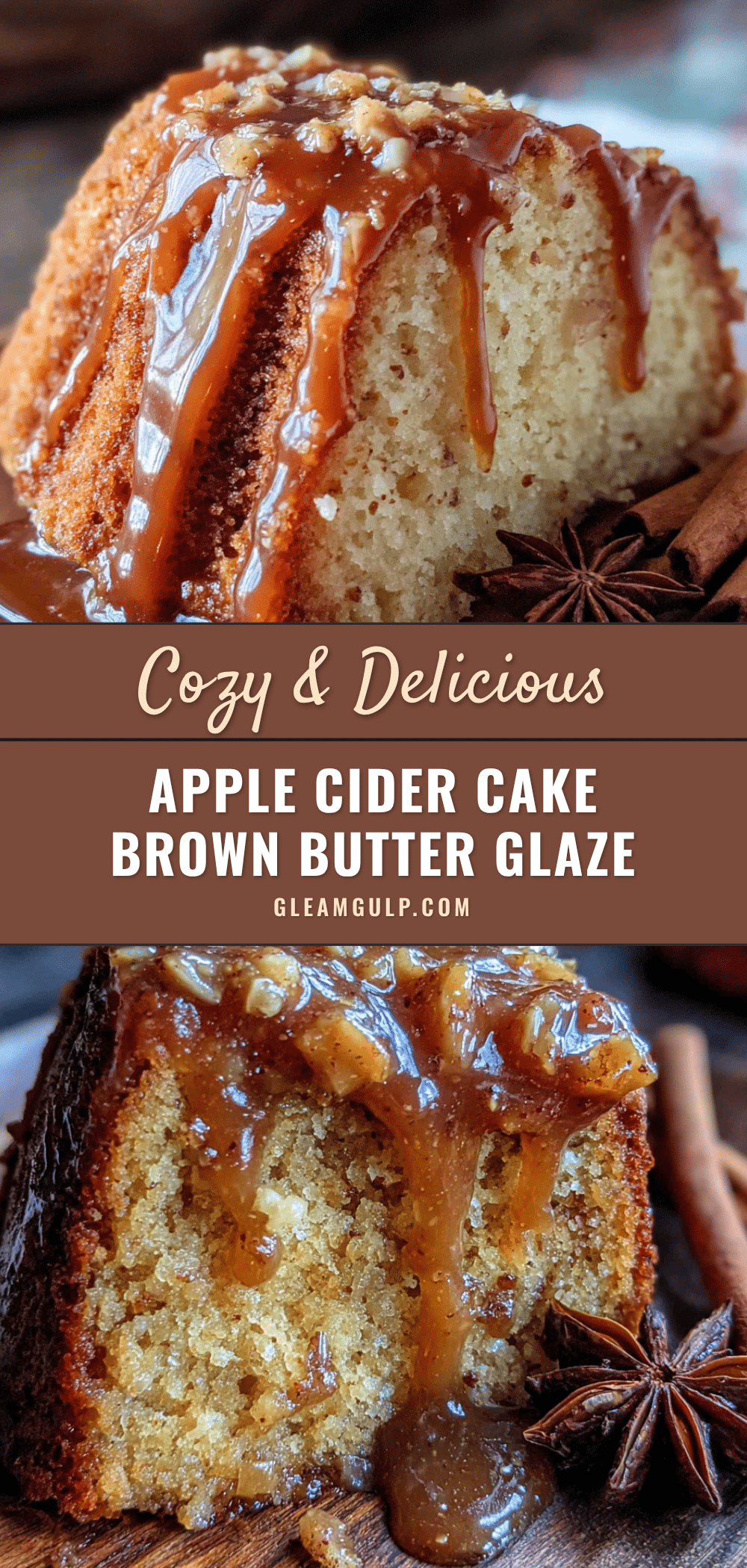
Cozy Apple Cider Cake with Easy Brown Butter Glaze
A moist, tender apple cider cake with a nutty brown butter glaze, born from a potluck panic and perfected through six test batches. This quick and easy fall dessert uses reduced apple cider for intense flavor and comes together in under 15 minutes of prep.
- Prep Time: 15 minutes
- Cook Time: 35 minutes
- Total Time: 50 minutes
- Yield: 10 servings 1x
- Category: Dessert
- Cuisine: American
Ingredients
- 1 ½ cups (355 ml) apple cider
- 2 cups (250 g) all-purpose flour
- 1 cup (200 g) granulated sugar
- ½ cup (100 g) light brown sugar, packed
- ½ cup (113 g) unsalted butter, melted and slightly cooled
- 2 large eggs, room temperature
- 2 teaspoons vanilla extract
- 1 ½ teaspoons baking soda
- ½ teaspoon salt
- 1 teaspoon ground cinnamon
- ½ teaspoon ground nutmeg
- ¼ teaspoon ground ginger
- For the Brown Butter Glaze:
- ¼ cup (57 g) unsalted butter
- 1 ½ cups (180 g) powdered sugar, sifted
- 2–3 tablespoons (30–45 ml) apple cider
- ½ teaspoon vanilla extract
- Pinch of salt
Instructions
- Preheat oven to 350°F (175°C). Grease a 9-inch round cake pan and line the bottom with parchment paper.
- Reduce the apple cider: Pour 1 ½ cups apple cider into a medium saucepan. Bring to a boil over medium-high heat, then reduce heat to medium-low and simmer until reduced to about ½ cup (120 ml), about 15-20 minutes. Stir occasionally and watch to prevent boiling over. Remove from heat and let cool.
- Mix dry ingredients: In a large bowl, whisk together flour, baking soda, salt, cinnamon, nutmeg, and ground ginger.
- Combine wet ingredients: In a separate medium bowl, whisk together granulated sugar and brown sugar. Add eggs and whisk until smooth and slightly pale, about 1 minute. Whisk in melted butter, vanilla extract, and reduced apple cider until smooth.
- Combine wet and dry: Pour wet ingredients into dry ingredients. Fold gently with a rubber spatula until just combined (about 15-20 strokes). Do not overmix; a few lumps are fine.
- Pour batter into prepared pan and spread evenly. Tap pan gently on counter to release air bubbles.
- Bake for 30-35 minutes, or until a toothpick inserted into the center comes out clean or with a few moist crumbs. Start checking at 28 minutes.
- Cool cake in pan on a wire rack for 10 minutes. Run a knife around edges, invert onto rack, peel off parchment, and let cool completely (20-30 minutes).
- Make the brown butter glaze: In a small light-colored skillet or saucepan, melt ¼ cup butter over medium heat. Continue cooking, swirling occasionally, until butter turns golden brown and smells nutty (about 4-5 minutes). Remove from heat immediately and pour into a heat-safe bowl.
- Add sifted powdered sugar, vanilla extract, and salt to the browned butter. Add 2 tablespoons apple cider and whisk until smooth. Add more cider if needed for desired consistency.
- Once cake is completely cool, drizzle glaze over top. Let set for about 5 minutes before slicing and serving.
Notes
Watch the cider reduction carefully to prevent burning. Room temperature eggs are important to prevent butter from seizing. Do not overmix the batter. Brown butter can burn quickly, so remove from heat as soon as it turns golden and smells nutty. Let cake cool completely before glazing for best presentation. Cake can be stored at room temperature for up to 3 days or frozen (unglazed) for up to 3 months.
Nutrition
- Serving Size: 1 slice
- Calories: 320
- Sugar: 32
- Sodium: 260
- Fat: 14
- Saturated Fat: 8
- Carbohydrates: 48
- Fiber: 1
- Protein: 4
Keywords: apple cider cake, brown butter glaze, fall dessert, easy cake recipe, apple cake, potluck dessert, cozy cake