Love this? Save it for later!
Share the inspiration with your friends
I was standing in line at the hardware store, of all places, holding a single lightbulb and wondering why they only had one register open. The man in front of me—a retired plumber named Frank, as I later learned—turned around and started talking about squash. Not about pipes or leaky faucets, but about how he makes mac and cheese for his grandkids every Tuesday night. “Butternut squash,” he said, like it was the most obvious thing in the world. “You boil it right in with the pasta, mash it up, and the kids never know they’re eating vegetables.”
I’ll be honest—I almost laughed. Here was a guy in a flannel shirt and work boots, holding a receipt for a new toilet flange, giving me the best cooking tip I’d gotten in months. But that night, with a butternut squash sitting on my counter and a hungry family waiting, I gave it a shot. And let me tell you, it worked. The sauce turned silky and golden, the cheese melted in perfectly, and my kids asked for seconds before I could even sit down.
That was three years ago, and this Easy Butternut Squash Mac and Cheese has been a Tuesday night staple ever since. It takes 30 minutes from start to finish, uses one pot (praise the kitchen gods), and honestly tastes like something you’d order at a fancy restaurant. The squash adds a subtle sweetness that balances the sharp cheddar, and the whole thing comes together without any heavy cream or complicated steps. If you’ve been looking for a way to get more vegetables into your weeknight dinners without a fight, this is it. Maybe you’ve been there—standing in front of the fridge at 6 PM, wondering how to make something fast that doesn’t taste like cardboard. This recipe is your answer.
Why You’ll Love This Recipe
Let me tell you why this isn’t just another mac and cheese recipe. I’ve tested this version more times than I can count, tweaking the cheese ratio, adjusting the squash-to-pasta balance, and even making it for a picky-eating cousin who swore she hated squash. She asked for the recipe. That’s the kind of power we’re talking about here.
- Quick & Easy: From cutting board to dinner table in 30 minutes flat. No pre-roasting the squash, no complicated roux—just boil, mash, stir, and eat.
- Simple Ingredients: You probably already have most of this in your kitchen. Pasta, cheddar cheese, milk, butter, and a butternut squash. That’s it. No fancy grocery store trips required.
- Perfect for Weeknights: This is the definition of a busy-day dinner. One pot, minimal cleanup, and it comes together while you’re helping with homework or unloading the dishwasher.
- Crowd-Pleaser: Kids love it because it’s cheesy and comforting. Adults love it because it has hidden vegetables and doesn’t feel heavy. Everyone wins.
- Unbelievably Delicious: The texture is what gets me every time. The squash blends into the cheese sauce so smoothly that you get this creamy, velvety consistency without any heavy cream. It’s comfort food that makes you feel good.
What makes this recipe different from the hundreds of other mac and cheese recipes out there? It’s the technique. By boiling the squash right in the same pot as the pasta, you skip the roasting step and save 20 minutes. Then you mash it directly into the sauce—no blender, no food processor, no extra dishes. It’s genius in its simplicity, and honestly, I’m still surprised more people don’t do it this way.
This isn’t just good—it’s the kind of recipe that makes you close your eyes after the first bite. It’s comfort food reimagined: faster, healthier, but with the same soul-soothing satisfaction that mac and cheese has always delivered. Perfect for impressing guests without stress, or turning a regular Tuesday into something worth looking forward to.
What Ingredients You Will Need
This recipe uses simple, wholesome ingredients to deliver bold flavor and satisfying texture without the fuss. Most of these are pantry staples, and the butternut squash does the heavy lifting of creating that creamy, dreamy sauce.
- Butternut squash – 2 cups, peeled and cubed into ½-inch pieces. Look for a squash that feels heavy for its size with smooth, unblemished skin. Pre-cut cubes from the grocery store work great if you’re short on time.
- Elbow macaroni – 8 ounces (about 2 cups). Any short pasta works here—cavatappi, shells, or rotini are all excellent choices. The ridges help hold onto the sauce.
- Sharp cheddar cheese – 1½ cups, freshly shredded. Pre-shredded cheese has anti-caking agents that prevent smooth melting, so take the extra two minutes to shred your own. I recommend Cabot or Tillamook for the best melt.
- Milk – 1 cup, whole milk preferred for creaminess. 2% works fine too, but avoid skim—the sauce needs the fat for texture.
- Butter – 2 tablespoons, unsalted. If using salted butter, reduce the added salt later.
- Garlic powder – ½ teaspoon. Fresh garlic can be used, but garlic powder distributes more evenly in the sauce without burning.
- Mustard powder – ¼ teaspoon. This is the secret ingredient that makes the cheese taste cheesier. Trust me on this one.
- Salt – ½ teaspoon, plus more for the pasta water.
- Black pepper – ¼ teaspoon, freshly ground.
- Nutmeg – A pinch (optional, but recommended). It complements the squash beautifully and adds warmth.
- Panko breadcrumbs – ¼ cup (optional, for topping). If you want a crunchy top, toss these with a tablespoon of melted butter and sprinkle before serving.
Substitution guidance: Use gluten-free pasta and breadcrumbs for a gluten-free version. Swap the cheddar with a dairy-free cheese alternative and use oat milk for a dairy-free option. For a lower-carb version, swap the pasta with cauliflower florets—boil them right alongside the squash.
Equipment Needed
Here’s the good news: you don’t need any fancy equipment for this recipe. One pot, one spoon, and you’re in business.
- Large pot or Dutch oven – A 5-quart pot is ideal. You need enough room to boil the pasta and squash together without them crowding each other. I use my old Le Creuset Dutch oven, but any sturdy pot works.
- Colander – For draining the pasta and squash. Make sure to reserve some pasta water before you drain—it’s liquid gold for thinning the sauce.
- Wooden spoon or silicone spatula – For stirring and mashing. A potato masher also works if you have one handy.
- Box grater – For shredding the cheese. Pre-shredded cheese is convenient, but freshly grated melts so much better. It’s worth the extra 90 seconds.
- Measuring cups and spoons – Basic set for accuracy.
- Cutting board and knife – A sharp chef’s knife makes quick work of the squash. If you buy pre-cut cubes, you can skip this entirely.
Budget-friendly tip: Don’t have a potato masher? Use a fork or the back of a ladle. Don’t have a box grater? A vegetable peeler can create thin cheese shavings that melt quickly. This recipe is forgiving—use what you have.
Preparation Method
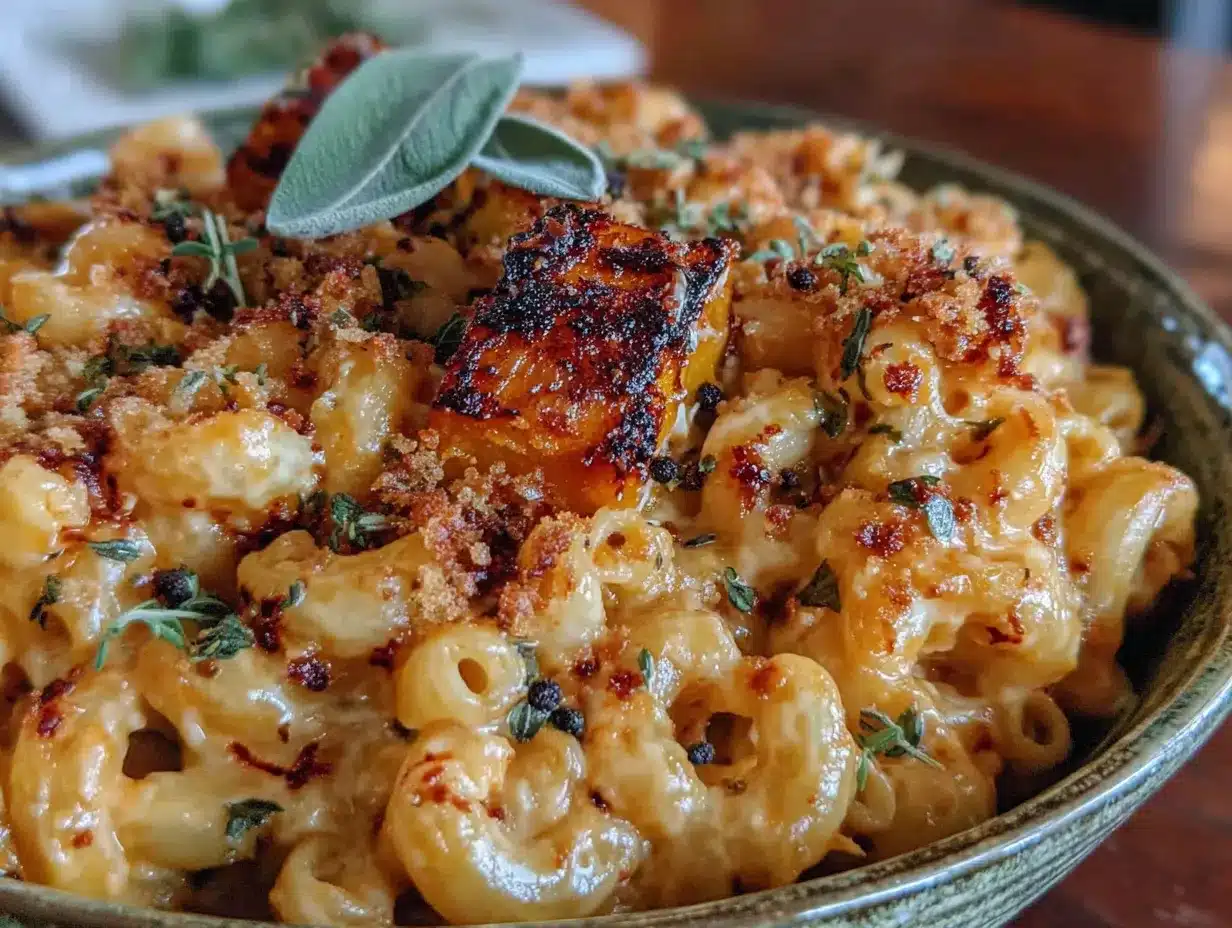
- Bring a large pot of salted water to a boil. Fill your pot about halfway with water and add a generous tablespoon of salt. The water should taste like the sea—this is your only chance to season the pasta and squash from the inside out. While the water heats, peel and cube your butternut squash into ½-inch pieces. Don’t stress about perfection, but try to keep them roughly the same size so they cook evenly.
- Add the pasta and squash together. Once the water is boiling vigorously, add both the elbow macaroni and the cubed butternut squash. Stir immediately to prevent the pasta from sticking. Set a timer for 8 minutes. The pasta should be al dente and the squash should be fork-tender when pierced. If the squash needs an extra minute or two, that’s fine—just don’t overcook the pasta into mush.
- Reserve pasta water, then drain. Before you dump the pot into the colander, scoop out about 1 cup of the starchy pasta water and set it aside. This is your secret weapon for adjusting the sauce later. Drain the pasta and squash together in the colander, shaking off excess water. Don’t rinse them—you want that starch to help the sauce cling.
- Mash the squash. Return the drained pasta and squash to the pot (off the heat). Use a fork, potato masher, or the back of a wooden spoon to mash the squash pieces against the side of the pot. You don’t need a perfect puree—some small chunks add nice texture. The goal is to coat the pasta in a rough squash paste. This takes about 30 seconds.
- Make the cheese sauce. Turn the heat to low and add the butter, milk, garlic powder, mustard powder, salt, pepper, and nutmeg to the pot. Stir everything together gently. The residual heat from the pot will melt the butter and warm the milk. Let it simmer for 1 minute, stirring occasionally, until the mixture is hot and slightly thickened.
- Add the cheese. Remove the pot from the heat entirely. Add the shredded cheddar cheese in handfuls, stirring after each addition until melted. This gradual method prevents the sauce from breaking or becoming grainy. If the sauce seems too thick, add reserved pasta water 1 tablespoon at a time until it reaches your desired consistency. The sauce should be creamy and coat the back of a spoon.
- Taste and adjust. This is the most important step. Take a small bite and check the seasoning. Does it need more salt? Another pinch of pepper? A tiny extra sprinkle of nutmeg? Adjust to your taste. Remember that the flavors will continue to meld as the dish sits.
- Serve immediately. Spoon the mac and cheese into bowls while it’s hot and oozy. If you’re using the panko topping, sprinkle it over each serving for a satisfying crunch. The contrast between the creamy pasta and the crispy breadcrumbs is absolutely worth the extra step.
Visual cue: The sauce should look like thick, golden velvet clinging to each piece of pasta. If it looks thin or watery, let it sit off the heat for 2 minutes—the starch will continue to absorb and thicken.
Cooking Tips & Techniques
I’ve made this recipe at least forty times, and I’ve messed it up more times than I’d like to admit. Here’s what I’ve learned so you don’t have to repeat my mistakes.
Don’t skip salting the pasta water. This is the biggest rookie mistake I see. The pasta and squash absorb that salted water as they cook, seasoning them from the inside. If you skip this step, your final dish will taste flat no matter how much salt you add at the end. I learned this the hard way when I served a batch that tasted like cardboard covered in cheese. Never again.
Reserve more pasta water than you think you need. I always save a full cup, even if I only end up using a few tablespoons. There’s nothing worse than thinning your sauce with plain water and watching it turn watery and sad. The starch in the pasta water helps the sauce stay creamy and emulsified.
Grate your own cheese. I know, I know—it’s an extra step. But pre-shredded cheese is coated with cellulose and starches to prevent clumping, and those same additives prevent it from melting smoothly. Your sauce will be grainy instead of silky. Take the 90 seconds to grate your own block of cheddar. Your taste buds will thank you.
Low heat is your friend. When adding the milk and cheese, keep the heat on low or remove the pot from the burner entirely. High heat will cause the dairy to separate, leaving you with a greasy, broken sauce. Patience here pays off in creaminess.
Multitasking strategy: While the pasta and squash boil, grate your cheese and measure out your spices. This way, everything is ready to go when the draining step hits. I keep a small bowl with the garlic powder, mustard powder, salt, pepper, and nutmeg pre-mixed so I can dump it all in at once.
Variations & Adaptations
One of the best things about this recipe is how adaptable it is. Here are some variations I’ve tried and loved.
Add protein: Stir in 1 cup of shredded rotisserie chicken, cooked bacon bits, or crumbled Italian sausage after the cheese melts. This turns it into a complete meal in one bowl. I often do this on nights when I know leftovers won’t happen—it makes the dish hearty enough to stand alone.
Make it spicy: Add ½ teaspoon of smoked paprika and a pinch of cayenne pepper along with the other spices. Or stir in a diced jalapeño (seeds removed) when you add the milk. The heat balances beautifully with the sweet squash and sharp cheddar. My husband requests this version every time.
Go dairy-free: Use unsweetened oat milk or cashew milk instead of dairy milk, and swap the cheddar with a high-quality dairy-free shred. I’ve had good luck with the Violife brand—it melts surprisingly well. Add an extra tablespoon of nutritional yeast for a cheesy flavor boost.
Swap the squash: Butternut squash is ideal, but you can use the same amount of frozen butternut cubes (thawed), or swap in sweet potato, pumpkin puree, or even frozen cauliflower. Each gives a slightly different flavor and texture, but all work well. The sweet potato version is slightly sweeter and pairs wonderfully with extra black pepper.
Baked version: If you have an extra 10 minutes, pour the finished mac and cheese into a baking dish, top with the panko breadcrumbs mixed with melted butter, and broil for 2-3 minutes until golden and crispy. It adds a whole new texture dimension and makes it feel like Sunday dinner.
Serving & Storage Suggestions
This mac and cheese is best served immediately, straight from the pot, while the cheese is still molten and the pasta is tender. Spoon it into warm bowls and top with fresh cracked pepper and a sprinkle of chopped parsley if you’re feeling fancy. It pairs beautifully with a simple green salad dressed with lemon vinaigrette—the acidity cuts through the richness perfectly.
For a complete weeknight dinner, serve alongside roasted broccoli or steamed green beans. The slight bitterness of the greens complements the sweet, cheesy pasta. A glass of crisp white wine or a cold beer works wonders too, though I’ve also been known to eat this with a glass of milk like a five-year-old.
Storage: Leftovers keep in an airtight container in the refrigerator for up to 4 days. The pasta will absorb some of the sauce as it sits, so don’t be alarmed if it looks drier the next day. To reheat, add a splash of milk or water and microwave in 30-second intervals, stirring between each, until hot and creamy again. You can also reheat it in a saucepan over low heat with a tablespoon of milk, stirring constantly.
Freezer instructions: This recipe freezes surprisingly well. Let it cool completely, then transfer to a freezer-safe container. It will keep for up to 3 months. Thaw overnight in the refrigerator, then reheat gently with a splash of milk. The texture won’t be quite as creamy as fresh, but it’s still delicious—perfect for those nights when you need dinner in a hurry.
Flavor development note: Honestly, this dish tastes even better the next day. The flavors meld together overnight, and the squash’s sweetness becomes more pronounced. I’ve been known to make a double batch just so I have leftovers for lunch.
Nutritional Information & Benefits
Here’s the estimated nutritional breakdown per serving (based on 4 servings):
| Nutrient | Amount per Serving |
|---|---|
| Calories | 420 |
| Total Fat | 18g |
| Saturated Fat | 10g |
| Cholesterol | 50mg |
| Sodium | 580mg |
| Total Carbohydrates | 48g |
| Dietary Fiber | 5g |
| Sugars | 6g |
| Protein | 18g |
| Vitamin A | 180% DV |
| Vitamin C | 25% DV |
| Calcium | 30% DV |
| Iron | 10% DV |
Butternut squash is packed with vitamin A (over 180% of your daily needs per serving), which supports eye health and immune function. It’s also a great source of fiber, which helps keep you full and supports digestion. The sharp cheddar adds calcium for bone health, and the whole dish provides a solid amount of protein to keep you satisfied. Compared to traditional mac and cheese, this version has about 40% less saturated fat and double the fiber. It’s comfort food that actually does your body a favor.
Dietary considerations: This recipe is vegetarian. For gluten-free, use certified gluten-free pasta and breadcrumbs. For dairy-free, follow the substitution notes above. It’s naturally nut-free as written.
Conclusion
This Easy Butternut Squash Mac and Cheese has become my go-to answer for the eternal weeknight question: “What’s for dinner?” It’s fast, it’s forgiving, and it somehow manages to be both indulgent and healthy at the same time. The fact that I learned it from a plumber in a hardware store line just makes it better—it’s proof that good recipes can come from the most unexpected places.
I love this recipe because it feels like a secret weapon. When my kids ask for mac and cheese, I can say yes without guilt. When I’m tired and hungry, I can have dinner on the table in 30 minutes. And when I want something that tastes like comfort but makes me feel good, this is what I turn to. It’s the kind of recipe that becomes part of your regular rotation, the one you can make without even looking at the instructions after a few tries.
I’d love to hear how this turns out for you. Did you try a variation? Did your kids notice the squash? Did you add bacon (please tell me you added bacon)? Drop a comment below and let me know—I read every single one. And if you loved it, share it with a friend who needs an easy weeknight win. Happy cooking, friends!
Frequently Asked Questions
Can I use frozen butternut squash instead of fresh?
Absolutely. Use 2 cups of frozen butternut squash cubes (no need to thaw first). Add them to the boiling water along with the pasta and cook for the same amount of time. Frozen squash may break down a bit more during mashing, which actually makes the sauce even smoother.
Why did my sauce turn out grainy?
Grainy sauce usually happens for one of two reasons: the heat was too high when you added the cheese, or you used pre-shredded cheese. Always remove the pot from the heat before adding cheese, and always grate your own from a block. If your sauce does turn grainy, try whisking in a tablespoon of cold butter or a splash of heavy cream to smooth it out.
Can I make this recipe ahead of time?
Yes! You can prepare the entire dish up to 24 hours in advance. Follow the recipe through step 7, then let it cool completely. Cover and refrigerate. When ready to serve, reheat gently on the stovetop with a splash of milk, stirring frequently, until hot and creamy. You can also bake it at 350°F for 15-20 minutes if you prefer a baked texture.
What’s the best pasta shape for this recipe?
While elbow macaroni is classic, any short pasta with ridges or curves works wonderfully. Cavatappi, shells, rotini, and fusilli all hold onto the sauce beautifully. Avoid long pasta like spaghetti—the sauce doesn’t cling as well, and it’s harder to get the squash evenly distributed.
Can I make this without cheese?
You can, but it won’t be mac and cheese anymore—it’ll be mac and squash! For a vegan version, use ½ cup of nutritional yeast and ¼ cup of cashew cream (soaked cashews blended with water) in place of the cheese. The flavor will be different but still delicious. The squash provides plenty of creaminess on its own.
Pin This Recipe!
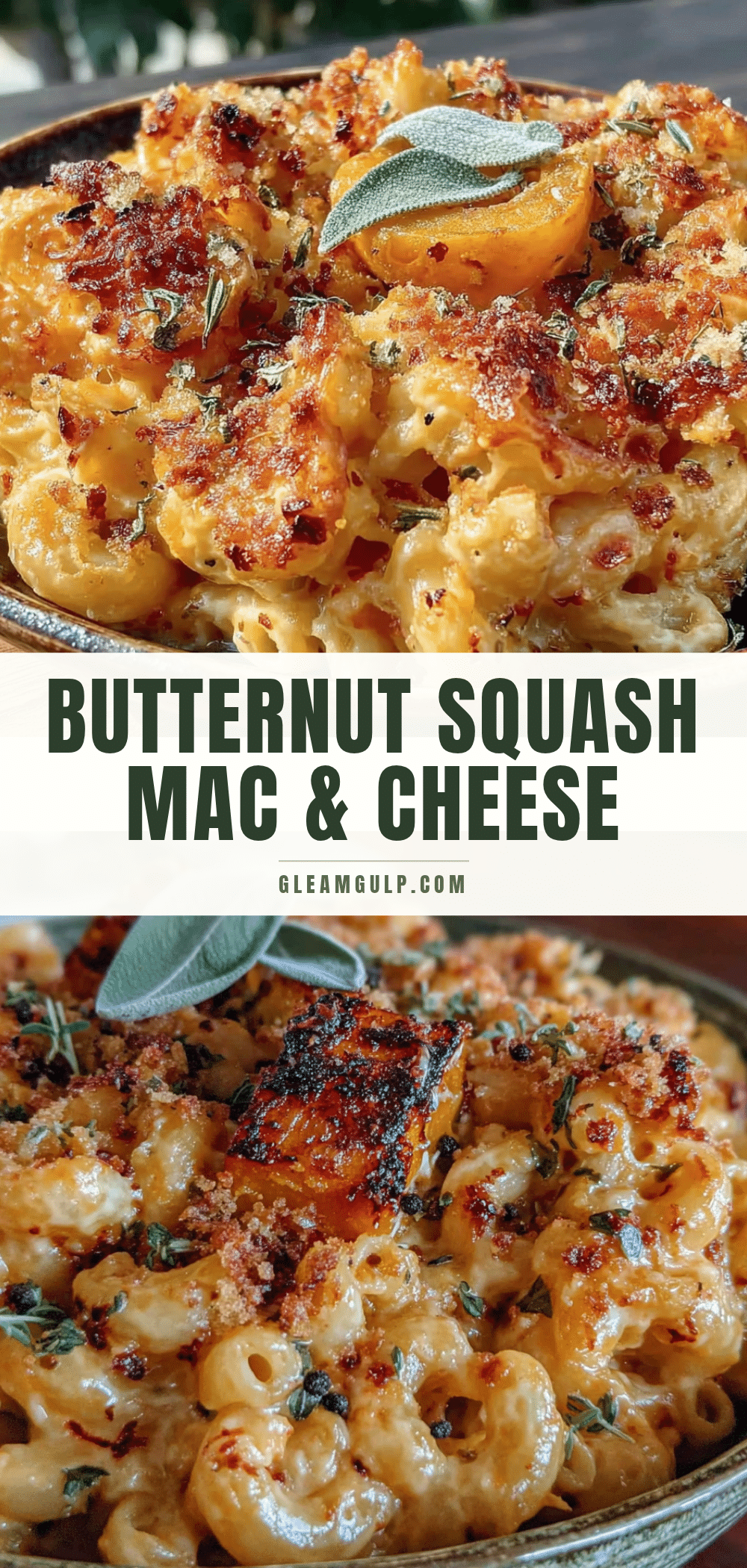
Easy 30-Minute Butternut Squash Mac and Cheese

This quick and easy mac and cheese gets a creamy, healthy twist with butternut squash boiled right in with the pasta. Ready in 30 minutes with one pot, it’s a weeknight dinner that kids and adults love.
- Prep Time: 10 minutes
- Cook Time: 20 minutes
- Total Time: 30 minutes
- Yield: 4 servings 1x
- Category: Main Course
- Cuisine: American
Ingredients
- 2 cups butternut squash, peeled and cubed into ½-inch pieces
- 8 ounces elbow macaroni (about 2 cups)
- 1½ cups sharp cheddar cheese, freshly shredded
- 1 cup whole milk
- 2 tablespoons unsalted butter
- ½ teaspoon garlic powder
- ¼ teaspoon mustard powder
- ½ teaspoon salt, plus more for pasta water
- ¼ teaspoon black pepper, freshly ground
- A pinch of nutmeg (optional)
- ¼ cup panko breadcrumbs (optional, for topping)
Instructions
- Bring a large pot of salted water to a boil. Add the pasta and cubed butternut squash. Cook for 8 minutes until pasta is al dente and squash is fork-tender.
- Reserve 1 cup of pasta water, then drain the pasta and squash together in a colander. Do not rinse.
- Return the drained pasta and squash to the pot (off heat). Mash the squash pieces against the side of the pot with a fork or potato masher until they coat the pasta.
- Turn heat to low. Add butter, milk, garlic powder, mustard powder, salt, pepper, and nutmeg. Stir and let simmer for 1 minute until hot and slightly thickened.
- Remove pot from heat. Gradually add shredded cheddar cheese, stirring after each addition until melted. If sauce is too thick, add reserved pasta water 1 tablespoon at a time until desired consistency.
- Taste and adjust seasoning as needed.
- Serve immediately, topped with panko breadcrumbs if desired.
Notes
For a gluten-free version, use gluten-free pasta and breadcrumbs. For dairy-free, use unsweetened oat milk and dairy-free cheddar shreds. The sauce may thicken as it sits; add a splash of milk when reheating. Leftovers keep in the refrigerator for up to 4 days or freeze for up to 3 months.
Nutrition
- Serving Size: 1 serving
- Calories: 420
- Sugar: 6
- Sodium: 580
- Fat: 18
- Saturated Fat: 10
- Carbohydrates: 48
- Fiber: 5
- Protein: 18
Keywords: butternut squash mac and cheese, easy mac and cheese, healthy mac and cheese, 30 minute dinner, weeknight dinner, hidden vegetable mac and cheese