Perfect Dark vs Light Pan Baking Temperature Guide
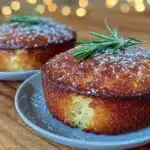
A practical guide to adjusting baking temperatures based on pan color to achieve perfect results every time, whether using dark non-stick or light aluminum pans.
- Prep Time: 15 minutes
- Cook Time: 30 minutes
- Total Time: 45 minutes
- Yield: Varies depending on recipe
- Category: Baking Guide
- Cuisine: General / All
Ingredients
- Flour (all-purpose, whole wheat, or gluten-free blends)
- Sugar (granulated, brown, or a mix)
- Fat (butter unsalted and softened or oil)
- Eggs (large, room temperature)
- Leavening agents (baking powder or baking soda)
- Liquid (milk, buttermilk, or water)
- Add-ins (chocolate chips, nuts, fruit, or spices depending on recipe)
Instructions
- Preheat the oven according to your recipe’s original temperature. For dark pans, reduce the temperature by 25°F (about 15°C). For light pans, use the temperature as stated or increase time slightly if needed.
- Grease your pan lightly or line with parchment paper to prevent sticking. Dark pans often require a little extra greasing.
- Mix your batter following your recipe’s instructions carefully.
- Pour batter evenly into the prepared pan to ensure uniform baking.
- Place the pan on the center rack of the oven. Avoid the very bottom rack with dark pans to prevent burning.
- Start checking for doneness 5-10 minutes before the recipe’s minimum baking time, especially with dark pans. Use a toothpick test to check.
- Remove the pan from the oven carefully and let cool on a wire rack for 10-15 minutes before removing the baked good.
Notes
Lower oven temperature by 25°F (15°C) when using dark pans to prevent over-browning. Light pans may require slightly longer baking times. Use an oven thermometer for accuracy. Rotate pans halfway through baking if your oven has hot spots. Tent with foil if edges brown too quickly. Silicone and glass pans may require additional temperature/time adjustments.
Nutrition
- Serving Size: Depends on baked goo
Keywords: dark pan baking, light pan baking, baking temperature guide, pan color baking tips, perfect brownies, even baking, baking temperature adjustment