Love this? Save it for later!
Share the inspiration with your friends
“I used to think stirring tomato sauce constantly was just kitchen busywork—something to do while waiting for the pasta to cook,” I admitted last week to a friend while making this very sauce. But honestly, the secret to a rich, flavorful tomato sauce isn’t about stirring nonstop or only occasionally—it’s knowing when and how. Let me tell you, this revelation came after a slightly chaotic dinner party last autumn.
The night was cool, the air filled with laughter and the clatter of dishes, but my sauce was stubbornly sticking to the bottom of the pot, threatening to turn a promising meal into a smoky mess. I was halfway between panicking and calling for takeout when my neighbor, who’s known for her legendary pasta nights, popped her head in. “You’re stirring it all wrong,” she chuckled, showing me how to find the perfect balance between constant and occasional stirring.
That evening, as the sauce simmered with just the right attention, the kitchen filled with the deep aroma of slow-cooked tomatoes and herbs. It was one of those moments where you realize cooking is less about rigid rules and more about rhythm, patience, and a little bit of intuition. Maybe you’ve been there too—watching a sauce bubble, wondering if you should stir or let it be. This recipe and those stirring secrets have stayed with me ever since, turning a simple tomato sauce into something that feels homemade and unforgettable every time.
Why You’ll Love This Recipe
This flavorful tomato sauce recipe is a game-changer for anyone who’s ever struggled with sauce consistency or flavor depth. After countless trials, tweaking stirring patterns, and ingredient tweaks, I can confidently say it’s both simple and spectacular.
- Quick & Easy: Ready in under an hour, perfect for weeknight dinners when time is tight but flavor matters.
- Simple Ingredients: No exotic items needed—just pantry staples you likely already have, like canned tomatoes, garlic, and herbs.
- Perfect for Any Occasion: Whether it’s a cozy dinner or feeding a crowd, this sauce pairs beautifully with pasta, meatballs, or even as a base for pizza.
- Crowd-Pleaser: Kids and adults alike rave about the rich, balanced taste and smooth texture.
- Unbelievably Delicious: The stirring technique brings out a depth of flavor and silky texture that’s honestly next-level comfort food.
What makes this tomato sauce different? It’s the “stirring secrets.” Constant stirring can break down tomatoes too much, while stirring too little risks scorching and uneven cooking. This recipe hits the sweet spot by guiding you through when to stir actively and when to let the sauce gently bubble on its own. The result is a richly flavored, perfectly textured sauce that’s not just good—it’s a sauce that makes you pause and savor every bite.
What Ingredients You Will Need
This tomato sauce uses simple, wholesome ingredients to deliver bold flavor and satisfying texture without any fuss. Most of these are pantry staples, and you can find substitutes easily if needed.
- Olive Oil: 3 tablespoons (extra virgin for best flavor)
- Yellow Onion: 1 medium, finely chopped (adds sweetness and depth)
- Garlic: 4 cloves, minced (fresh is best for punchy flavor)
- Crushed Tomatoes: 28 ounces (800 g) canned, preferably San Marzano or similar quality for authentic taste
- Tomato Paste: 2 tablespoons (concentrates the tomato flavor)
- Fresh Basil Leaves: A handful, torn (adds bright herbal notes)
- Dried Oregano: 1 teaspoon (classic Italian herb for warmth)
- Red Pepper Flakes: ¼ teaspoon, optional (for a subtle kick)
- Salt: To taste (start with 1 teaspoon and adjust)
- Black Pepper: Freshly ground, to taste
- Granulated Sugar: 1 teaspoon (balances acidity, optional depending on your tomatoes)
- Water or Vegetable Broth: ½ cup (120 ml), optional, to adjust sauce consistency
Substitution tips: Use coconut oil instead of olive oil for a different flavor profile or if you prefer. Swap fresh basil with dried if fresh isn’t available, but add it earlier in cooking to bloom the flavor. For a gluten-free or vegan option, this sauce is naturally suitable as is. I personally recommend Mutti brand crushed tomatoes for their rich texture and consistent quality.
Equipment Needed
- Medium to Large Heavy-Bottomed Saucepan: Essential to prevent scorching; I prefer a 3-quart (3-liter) size for good heat distribution.
- Wooden Spoon or Silicone Spatula: For stirring; a silicone spatula is gentle on the pan and flexible for scraping.
- Chef’s Knife: For chopping onions and garlic.
- Cutting Board: A sturdy board for prep work.
- Measuring Spoons and Cups: For precise ingredient amounts.
If you don’t have a heavy-bottomed pan, a thick stainless steel or enameled cast iron pot works well. Avoid thin pans that heat unevenly and risk burning the sauce. I once used a nonstick pan, but the sauce didn’t develop the same depth, so I usually stick to heavy-bottomed options. For budget-friendly kitchens, a sturdy stainless steel pan with a tight lid will do just fine.
Preparation Method
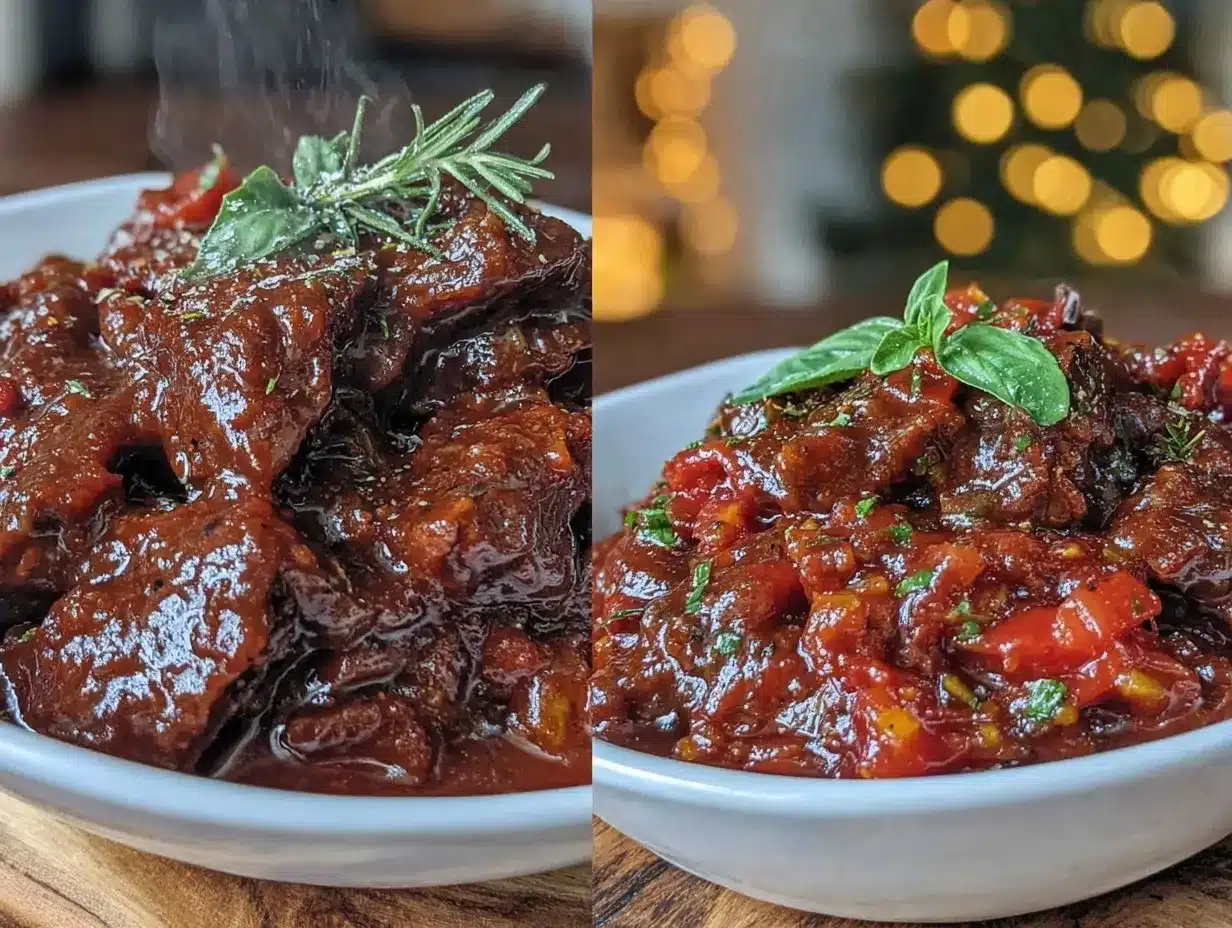
- Heat the Oil: Warm 3 tablespoons of olive oil over medium heat in your saucepan (about 2-3 minutes). You want the oil shimmering but not smoking. This step releases flavors from the oil and prepares the pan for the aromatics.
- Sauté Onions: Add the finely chopped onion and cook for 5-7 minutes until soft and translucent, stirring occasionally. The onions should feel tender and smell sweet and fragrant. If they brown too quickly, lower the heat.
- Add Garlic: Stir in the minced garlic and cook for 30 seconds to 1 minute, just until fragrant. Watch closely here—garlic burns fast and turns bitter.
- Incorporate Tomato Paste: Stir in 2 tablespoons tomato paste, cooking for 2 minutes while stirring constantly. This step caramelizes the paste, adding richness and depth.
- Add Crushed Tomatoes and Seasonings: Pour in the crushed tomatoes along with dried oregano, red pepper flakes (if using), salt, pepper, and sugar. Stir well to combine everything. You should see a vibrant red sauce starting to form.
- Bring to a Simmer: Increase heat slightly and bring the sauce to a gentle simmer. Once simmering, reduce heat to low to maintain a slow bubble.
- The Stirring Secret: For the first 10 minutes, stir the sauce every 1-2 minutes—enough to prevent sticking but not constant agitation. Then let it simmer undisturbed for 5-7 minutes to allow flavors to meld.
- Repeat the Stir-Then-Rest Cycle: Continue alternating between stirring every few minutes and letting the sauce rest for short intervals for a total cooking time of 40-50 minutes. This cycling prevents scorching and helps develop balanced flavors.
- Add Fresh Basil and Adjust Consistency: In the last 5 minutes, stir in the torn fresh basil leaves. If the sauce is too thick, add up to ½ cup water or vegetable broth to loosen it. Taste and adjust salt and pepper as needed.
- Final Touches: Remove from heat and let the sauce sit for 5 minutes before serving. This resting time allows flavors to settle and thicken slightly.
If your sauce starts to stick at any point, reduce the heat immediately and stir gently but thoroughly. The smell should be rich and inviting, with no burnt notes. I’ve found that patience here pays off greatly—rushing or constant stirring can flatten flavors or break down the sauce too much.
Cooking Tips & Techniques
- Know When to Stir: Constant stirring can break down tomato fibers and make the sauce too thin. Occasional stirring prevents sticking but lets the sauce thicken naturally. This “stir-rest” method is what I swear by.
- Use a Heavy-Bottomed Pan: It distributes heat evenly, reducing the risk of burnt spots.
- Control Heat Carefully: Keep the sauce at a gentle simmer, not a rolling boil. Too high heat can cause bitterness and split the sauce.
- Don’t Skip the Tomato Paste: Sautéing it adds umami and a subtle sweetness that’s hard to get otherwise.
- Fresh vs. Dried Herbs: Add dried herbs early to bloom flavor; add fresh herbs last to keep brightness.
- Don’t Forget to Taste: Adjust salt, sugar, and pepper as you go—it’s the key to balanced sauce.
Once, I left the sauce unattended for too long, and it scorched badly—lesson learned! Now I set a timer and follow the stir-rest cycle strictly. Also, multitasking in the kitchen works better when I prep all ingredients first, so I’m not scrambling while the sauce simmers.
Variations & Adaptations
- Spicy Arrabbiata Style: Increase red pepper flakes to 1 teaspoon and add a pinch of smoked paprika for smoky heat.
- Chunky Vegetable Boost: Add diced bell peppers and mushrooms sautéed with onions for a heartier sauce.
- Vegan Creamy Tomato Sauce: Stir in ¼ cup coconut cream or cashew cream toward the end for a silky, dairy-free twist.
- Slow Cooker Adaptation: Combine all ingredients in a slow cooker and cook on low for 4-6 hours, stirring occasionally.
- Fresh Tomato Summer Sauce: Use fresh peeled tomatoes instead of canned during summer months for a bright, fresh taste.
One personal favorite is swapping the dried oregano with fresh thyme for a different herbal note. It’s a subtle but lovely change that keeps things interesting.
Serving & Storage Suggestions
Serve this tomato sauce warm over your favorite pasta, spooned generously and topped with grated Parmesan or fresh basil leaves. It pairs beautifully with meatballs, roasted vegetables, or even as a base for homemade pizza.
Store leftovers in an airtight container in the refrigerator for up to 4 days. For longer storage, freeze in portions for up to 3 months. Reheat gently on the stove over low heat, stirring occasionally to bring back that perfect texture. The flavors often deepen after resting, making reheated sauce taste even better.
Nutritional Information & Benefits
This tomato sauce is naturally low in calories and fat, making it a heart-healthy choice. Olive oil adds beneficial monounsaturated fats, while tomatoes provide a rich source of antioxidants like lycopene, which supports overall wellness. Garlic and herbs contribute anti-inflammatory properties and a burst of flavor without added sodium.
It is gluten-free, vegan, and suitable for most diets. Just watch the salt and sugar amounts if you’re managing sodium or blood sugar levels. I find this sauce is a nourishing way to enjoy comforting meals without guilt.
Conclusion
If you’ve ever felt stuck wondering how much to stir your tomato sauce, this recipe will change your kitchen game. It’s simple, approachable, and packed with flavor, thanks to the stirring secrets that bring out the best in every ingredient. I love how this sauce feels like a warm hug on a plate—comforting, reliable, and easy to make your own.
Give it a try, tweak the seasoning or herbs to suit your taste, and let me know how it turns out. Your next pasta night might just become a little tradition, and honestly, that makes me smile every time I cook it!
FAQs About Flavorful Tomato Sauce
- How often should I stir tomato sauce?
Stir every few minutes during the first 10 minutes, then let it rest for 5-7 minutes before stirring again. This cycle helps prevent burning while allowing flavors to develop. - Can I use fresh tomatoes instead of canned?
Yes! Use peeled and crushed fresh tomatoes, especially in summer, but expect a slightly lighter flavor and thinner consistency. - Why is tomato paste important in the sauce?
It adds concentrated flavor and richness by caramelizing during cooking, boosting the sauce’s depth. - What if my sauce is too thick?
Add a little water or vegetable broth toward the end of cooking to reach your desired consistency. - Can I prepare this sauce ahead of time?
Absolutely. It tastes even better the next day. Store in the fridge for up to 4 days or freeze for longer storage.
Pin This Recipe!
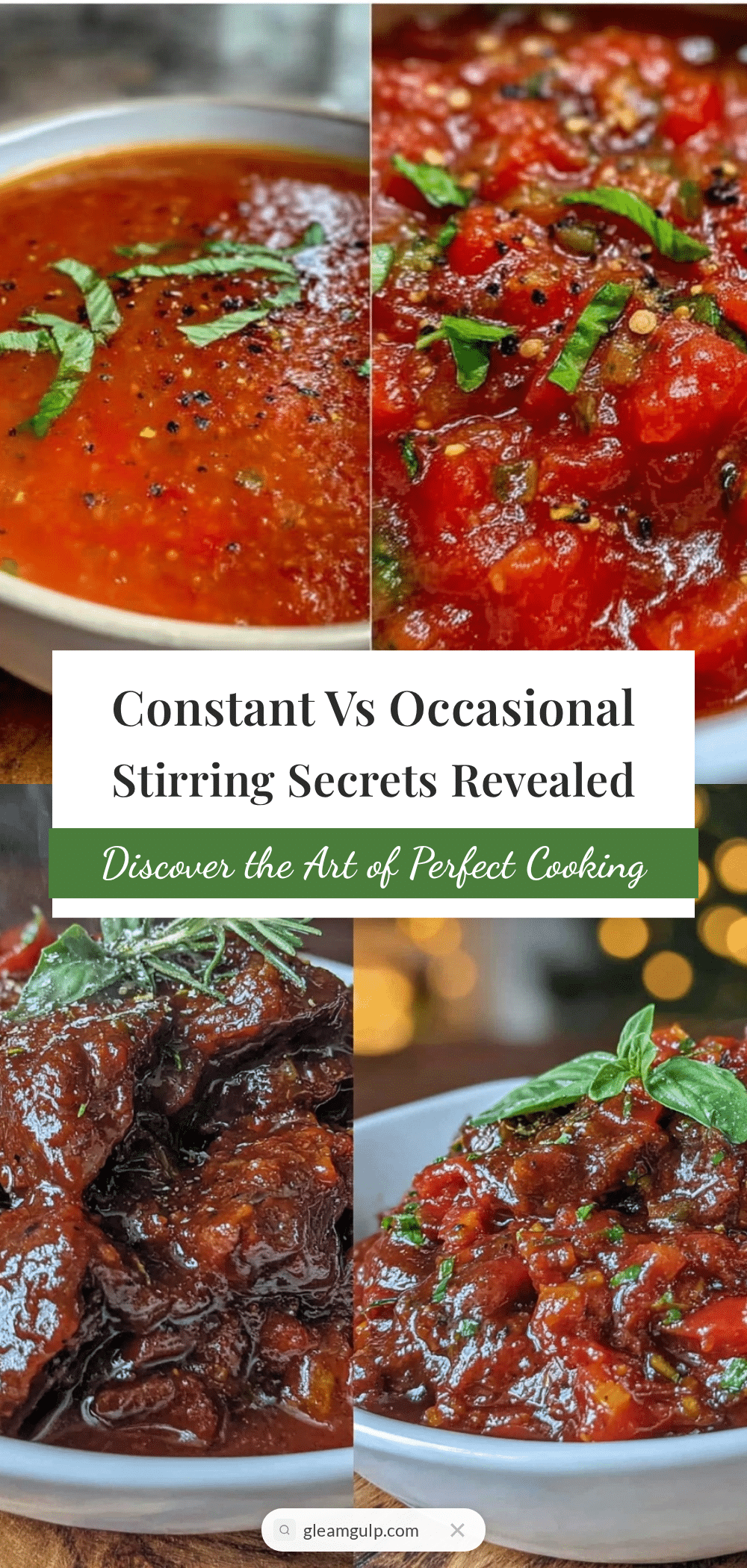
Flavorful Tomato Sauce
A rich and perfectly textured tomato sauce made with simple pantry staples and a unique stir-rest technique to enhance flavor and prevent scorching.
- Prep Time: 10 minutes
- Cook Time: 45 minutes
- Total Time: 55 minutes
- Yield: 6 servings 1x
- Category: Main Course
- Cuisine: Italian
Ingredients
- 3 tablespoons extra virgin olive oil
- 1 medium yellow onion, finely chopped
- 4 cloves garlic, minced
- 28 ounces (800 g) canned crushed tomatoes, preferably San Marzano
- 2 tablespoons tomato paste
- A handful fresh basil leaves, torn
- 1 teaspoon dried oregano
- 1/4 teaspoon red pepper flakes (optional)
- Salt to taste (start with 1 teaspoon)
- Freshly ground black pepper to taste
- 1 teaspoon granulated sugar (optional)
- 1/2 cup (120 ml) water or vegetable broth (optional)
Instructions
- Heat 3 tablespoons of olive oil over medium heat in a medium to large heavy-bottomed saucepan until shimmering but not smoking, about 2-3 minutes.
- Add the finely chopped onion and cook for 5-7 minutes until soft and translucent, stirring occasionally.
- Stir in the minced garlic and cook for 30 seconds to 1 minute until fragrant, watching carefully to avoid burning.
- Add 2 tablespoons tomato paste and cook for 2 minutes while stirring constantly to caramelize the paste.
- Pour in the crushed tomatoes along with dried oregano, red pepper flakes (if using), salt, pepper, and sugar. Stir well to combine.
- Increase heat slightly and bring the sauce to a gentle simmer. Then reduce heat to low to maintain a slow bubble.
- For the first 10 minutes, stir the sauce every 1-2 minutes to prevent sticking but avoid constant agitation.
- Let the sauce simmer undisturbed for 5-7 minutes to allow flavors to meld.
- Continue alternating between stirring every few minutes and letting the sauce rest for short intervals for a total cooking time of 40-50 minutes.
- In the last 5 minutes, stir in the torn fresh basil leaves. If the sauce is too thick, add up to 1/2 cup water or vegetable broth to loosen it. Taste and adjust salt and pepper as needed.
- Remove from heat and let the sauce sit for 5 minutes before serving to allow flavors to settle and thicken slightly.
Notes
Use a heavy-bottomed pan to prevent scorching. Stir every 1-2 minutes during the first 10 minutes, then let the sauce rest for 5-7 minutes before stirring again. Adjust salt, sugar, and pepper to taste. If sauce sticks, reduce heat immediately and stir gently. Fresh basil is added at the end to preserve brightness. For a thicker sauce, omit water or broth. This sauce is naturally vegan and gluten-free.
Nutrition
- Serving Size: About 1/2 cup sauce
- Calories: 110
- Sugar: 6
- Sodium: 300
- Fat: 7
- Saturated Fat: 1
- Carbohydrates: 11
- Fiber: 3
- Protein: 2
Keywords: tomato sauce, homemade tomato sauce, easy tomato sauce, pasta sauce, Italian sauce, simmered tomato sauce, flavorful tomato sauce