Love this? Save it for later!
Share the inspiration with your friends
My husband claimed he hated pumpkin. Not just “not my favorite” — but a full-on, dramatic, “don’t put that orange stuff anywhere near my plate” kind of hate. For three years of marriage, I respected this. I made apple crisp for fall gatherings and plain pancakes on Saturday mornings. Then last October, I had a leftover can of pumpkin puree taking up space in my pantry, and I decided to make this casserole “just for myself” on a sleepy Sunday morning. I swear, I turned my back to grab the maple syrup, and when I looked around, there he was — standing at the counter with a fork, mid-bite, with this confused look on his face. “What is this?” he asked, like I’d tricked him. “It’s good.” That’s it. That’s the whole story. He ate two servings and asked if we could have it again next weekend. So maybe you’ve been there — trying to get a picky eater to come around to a seasonal flavor, or just needing a breakfast that feels special without making you wash a million dishes. This casserole is that recipe. It’s the one that proves even the biggest skeptics can be won over with the right combination of soft, spiced bread and that sweet, custardy center. I keep making it because it never gets old, and honestly, it makes me feel a little smug every single time.
Why You’ll Love This Recipe
I’ve tested this pumpkin French toast casserole about seven times to get it just right. The first batch was too soggy. The second? Not enough pumpkin flavor. But this version — this is the one. It’s the kind of breakfast that makes your kitchen smell like a fall candle, but you actually get to eat it.
- Quick & Easy: It takes about 15 minutes to throw together, then the oven does the rest. Perfect for those mornings when you want something special but don’t want to stand at the stove flipping individual slices.
- Simple Ingredients: You probably have most of this already — bread, eggs, milk, pumpkin puree, and basic spices. No weird specialty items that cost a fortune.
- Perfect for Fall Mornings: This is made for those crisp weekends when the leaves are changing and everyone’s craving something warm and cozy.
- Crowd-Pleaser: My kids devour it. My husband devours it. Even my neighbor who “doesn’t do sweet breakfasts” asked for the recipe. It’s that good.
- Unbelievably Delicious: The texture is what gets you — soft and custard-like in the middle, with slightly crispy edges where the bread pokes up. The pumpkin flavor is there, but it’s balanced so it doesn’t scream at you.
What makes this different from every other French toast casserole out there is the ratio. I spent a lot of time figuring out the perfect amount of pumpkin puree so it’s present but not overpowering, and I add a tiny pinch of black pepper to the spice mix — trust me on this one. It doesn’t make it spicy, it just wakes up the cinnamon and nutmeg in a way that feels cozy without being boring.
This isn’t just breakfast — it’s the kind of meal that makes everyone at the table slow down and take a second helping. It’s comfort food that feels a little bit fancy but costs about the same as regular cereal.
What Ingredients You Will Need
This recipe uses simple, honest ingredients to create something that tastes like you spent hours in the kitchen. Most of these are pantry staples, especially if you do any fall baking at all.
- 1 loaf (about 14-16 ounces) of sturdy bread (like brioche, challah, or a good French bread — day-old is best because it soaks up the custard without turning to mush)
- 6 large eggs (room temperature if you remember, but straight from the fridge works fine too)
- 1 ½ cups whole milk (or 2% — I’ve used both and it’s fine, just don’t go skim or the custard won’t be as rich)
- 1 cup pumpkin puree (not pumpkin pie filling — make sure it says 100% pumpkin on the can. Libby’s is my go-to because it’s consistently thick and not watery)
- ½ cup packed brown sugar (light or dark both work, dark gives a deeper molasses flavor)
- 2 teaspoons vanilla extract (pure if you have it, imitation is fine too)
- 2 teaspoons ground cinnamon
- 1 teaspoon ground nutmeg (freshly grated is amazing, but pre-ground works perfectly)
- ½ teaspoon ground ginger
- ¼ teaspoon ground cloves
- ⅛ teaspoon black pepper (I know it sounds weird, just trust me)
- ½ teaspoon salt (don’t skip this — it balances the sweetness)
- 2 tablespoons melted butter (for greasing the dish and drizzling on top)
For the streusel topping (optional but highly recommended):
- ½ cup all-purpose flour
- ½ cup packed brown sugar
- ½ cup cold butter (cut into small cubes)
- 1 teaspoon cinnamon
- Pinch of salt
The bread is the most important part here. You want something that has structure — soft sandwich bread will turn into a sad, soggy mess. I usually grab a loaf of brioche from the bakery section at my grocery store, or sometimes I use a day-old French bread if that’s what I have. The staler the bread, the better it absorbs the custard without falling apart.
If you’re dairy-free, you can swap the milk for oat milk or almond milk, and use a plant-based butter. Just know the texture will be slightly less rich. I’ve tested it with oat milk and it still works — it’s just not quite as luxurious.
Equipment Needed
You don’t need anything fancy for this, which is part of why I love it. Here’s what you’ll need:
- 9×13-inch baking dish (glass or ceramic works best — metal can sometimes react with the eggs and leave a weird taste)
- Large mixing bowl (for whisking the custard)
- Whisk (a fork works in a pinch, but a whisk makes it smoother)
- Measuring cups and spoons
- Knife and cutting board (for cubing the bread)
- Spatula (for pressing the bread down into the custard)
- Small bowl (for the streusel topping if you’re making it)
- Pastry cutter or two forks (for cutting butter into the streusel — or just use your fingers, that’s what I do)
I got my favorite baking dish from a thrift store for three dollars. It’s not fancy, but it’s served me well for years. You really don’t need expensive equipment for good cooking.
Preparation Method
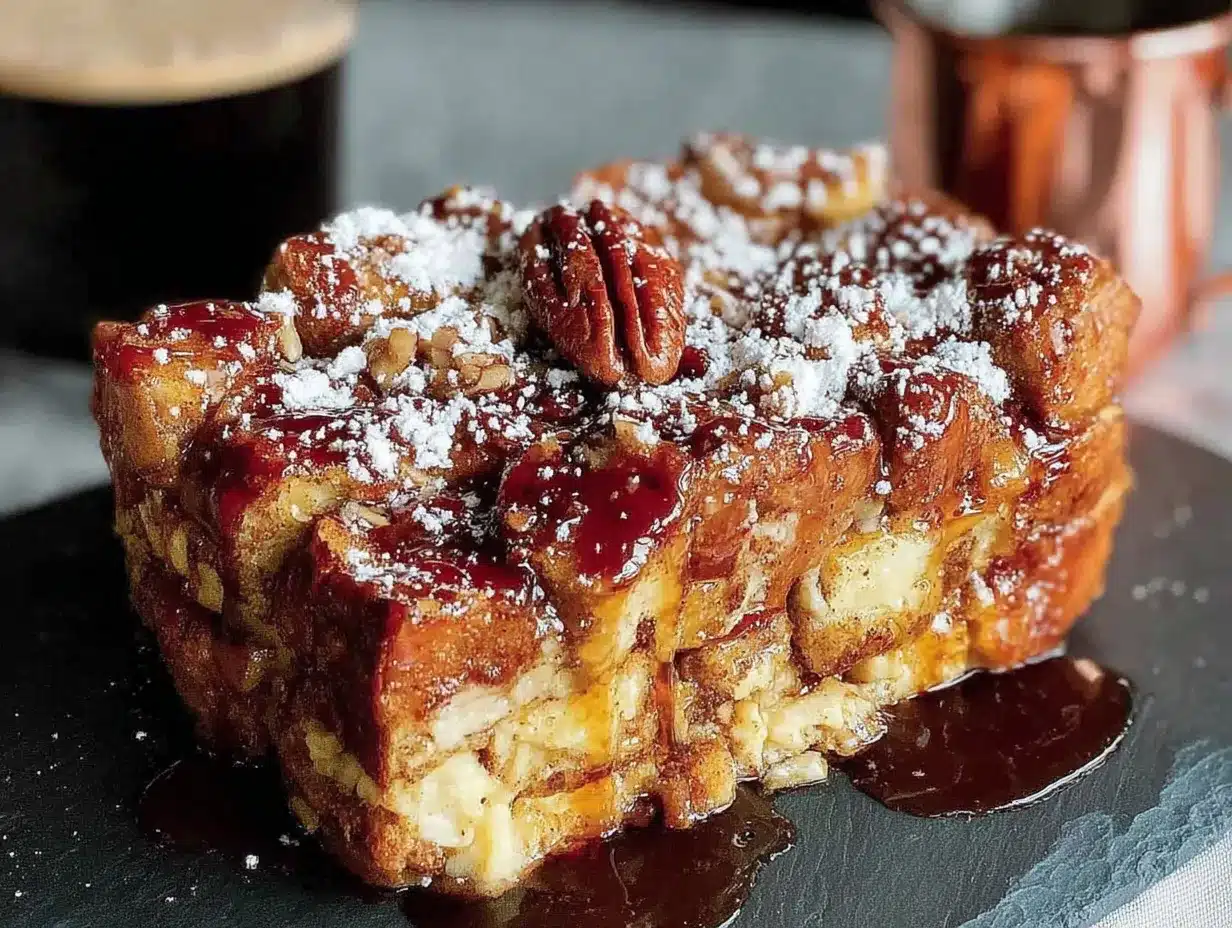
This comes together in layers, and each step is pretty forgiving. Don’t stress about being perfect — I’ve made this with slightly stale bread and slightly over-whisked eggs and it still turned out great.
- Prep the bread (5 minutes): Cut your bread into 1-inch cubes. If your bread is fresh, spread the cubes out on a baking sheet and let them sit out for an hour or so to dry out a bit. If you’re in a hurry, toast them in a 300°F oven for about 10 minutes — just keep an eye on them so they don’t actually brown.
- Grease the dish (1 minute): Rub the bottom and sides of your 9×13 baking dish with the melted butter. Don’t be shy with it — this adds flavor and prevents sticking.
- Make the custard (5 minutes): In your large mixing bowl, whisk together the eggs until they’re well beaten and slightly frothy. Add the pumpkin puree, milk, brown sugar, vanilla, and all the spices (including that pinch of black pepper). Whisk until everything is completely combined — you shouldn’t see any streaks of egg white or lumps of pumpkin. The mixture should look smooth and uniform, like a thick, creamy orange liquid.
- Assemble the casserole (5 minutes): Place half of your bread cubes in the greased baking dish in an even layer. Pour half of the custard mixture over the top, making sure to get it into all the nooks and crannies. Add the remaining bread cubes, then pour the rest of the custard over everything. Use your spatula to gently press the bread down so it all gets soaked. Don’t worry if some pieces stick up — those will get crispy and delicious.
- Let it soak (15 minutes or overnight): This is the step you don’t want to skip. Let the casserole sit at room temperature for at least 15 minutes so the bread can absorb the custard. If you’re planning ahead, you can cover it with plastic wrap and stick it in the fridge overnight — that actually makes it even better because the flavors meld together. Just take it out of the fridge 30 minutes before baking so it comes to room temperature.
- Make the streusel (5 minutes): If you’re doing the topping, combine the flour, brown sugar, cinnamon, and salt in a small bowl. Add the cold butter cubes and use a pastry cutter, two forks, or your fingers to work the butter into the flour mixture until it looks like coarse crumbs with some pea-sized butter pieces remaining. Pop it in the fridge while the casserole soaks.
- Bake (40-45 minutes): Preheat your oven to 350°F. Sprinkle the streusel topping evenly over the soaked bread. Bake for 40-45 minutes, until the top is golden brown and the center is set — it should jiggle just slightly when you shake the dish, but not be liquidy. If the top is browning too fast, tent it loosely with foil for the last 10 minutes.
- Rest (10 minutes): This is the hardest part. Let the casserole rest for at least 10 minutes before serving. It needs this time to set up properly, and if you cut into it too soon, it’ll be a soupy mess. I know you’re hungry, but trust the process.
One time I forgot to let it soak and baked it immediately. The top was perfectly golden, but the inside was dry in some spots and weirdly wet in others. Don’t be like me. Let it sit.
Cooking Tips & Techniques
I’ve learned a few things the hard way so you don’t have to. Here’s what I wish someone had told me the first time I made this:
Don’t oversoak the bread. There’s a sweet spot between “barely wet” and “soggy mess.” Fifteen minutes at room temperature is perfect. If you go overnight in the fridge, the bread will absorb almost all the liquid — that’s fine, just make sure you press it down evenly before baking.
Watch your oven temperature. Every oven runs differently. I burned my first batch because my oven runs hot and I trusted the recipe timing blindly. Check it at 35 minutes if your oven tends to be aggressive. The top should be golden brown and the center should be set — not liquidy, but still soft.
Use a thermometer if you’re nervous. The internal temperature should reach 165°F in the center. This takes the guesswork out completely.
Let it rest. I cannot stress this enough. That 10-minute rest period is not optional. It’s when the custard firms up and the casserole becomes sliceable instead of scoopable. I once served it after only 5 minutes and it was a beautiful mess — tasted great, but looked like a crime scene.
Double the streusel. Okay, this is personal preference, but I always make extra. The crunchy topping is the best part, and having more of it never hurt anyone.
Variations & Adaptations
This recipe is forgiving, so feel free to play around. Here are some ways I’ve changed it up depending on what I had on hand or who I was feeding:
Dairy-Free Version: Swap the milk for oat milk or canned coconut milk (the kind in the carton, not the can). Use a plant-based butter in the dish and the streusel. It works surprisingly well — the coconut milk adds a subtle richness that complements the pumpkin.
Gluten-Free Option: Use a good-quality gluten-free bread. I’ve had the best luck with the thicker, sturdy brands — the thin, flimsy ones turn to mush. Let the bread dry out a bit more than usual, and consider adding an extra tablespoon of flour to the custard to help it set.
Pumpkin Spice Latte Twist: Replace ¼ cup of the milk with strong brewed coffee or espresso. Add an extra tablespoon of brown sugar. It gives the casserole this deep, grown-up flavor that’s amazing with a dollop of whipped cream.
Apple Pumpkin Combo: Peel and dice one medium apple (Honeycrisp or Granny Smith work great) and layer it between the bread cubes. It adds little pockets of soft, sweet fruit that are just lovely.
Less Sweet Version: Cut the brown sugar down to ¼ cup and skip the streusel topping. The pumpkin and spices are still plenty flavorful, and you can always add maple syrup at the table if someone wants more sweetness.
I tried a version once with chocolate chips mixed in — don’t do it. It sounded good in theory, but the chocolate overwhelmed the pumpkin and it just tasted like a confused dessert. Learn from my mistakes.
Serving & Storage Suggestions
This casserole is best served warm, right after that 10-minute rest. The edges are slightly crispy, the center is soft and custardy, and the streusel is crunchy — it’s a textural dream.
I like to serve it with a drizzle of warm maple syrup and a pat of butter melting into the top. A dusting of powdered sugar makes it look fancy, and a handful of toasted pecans or walnuts adds nice crunch if you’re feeling extra.
For drinks, it pairs beautifully with a hot cup of coffee or a tall glass of cold milk. If you’re serving it for a holiday brunch, a pitcher of orange juice or some hot apple cider on the side rounds out the meal nicely.
Storage: Cover the baking dish tightly with plastic wrap or foil and store in the refrigerator for up to 4 days. The flavors actually get better on day two — the spices meld together and the texture evens out.
Reheating: The best way is in a 300°F oven for about 15 minutes, covered with foil so it doesn’t dry out. If you’re in a hurry, individual servings work fine in the microwave for 45-60 seconds — the texture won’t be quite as good, but it’s still delicious.
Freezing: You can freeze the baked casserole for up to 3 months. Let it cool completely, then wrap the whole dish in plastic wrap and foil. Thaw in the fridge overnight and reheat in the oven. I’ve also frozen individual portions in airtight containers for quick breakfasts — just grab one, microwave it, and you’re good to go.
The casserole is actually better on day two, in my opinion. Something about the flavors settling overnight makes it taste even more like fall.
Nutritional Information & Benefits
Here’s the honest truth: this is not a health food. It’s a special occasion breakfast that happens to have some redeeming qualities. But if you’re curious, here’s what you’re working with per serving (based on 8 servings, with streusel topping):
- Calories: Approximately 380-420
- Protein: 12g
- Fat: 18g
- Carbohydrates: 48g
- Fiber: 3g
- Sugar: 28g
Pumpkin itself is actually quite nutritious — it’s packed with vitamin A (great for your eyes and immune system), fiber, and potassium. The eggs add protein, and the milk provides calcium. So while this isn’t a salad, it’s not empty calories either. It’s a breakfast that will keep you full and satisfied for hours.
If you’re watching your sugar intake, you can reduce the brown sugar and skip the streusel — the pumpkin and spices are flavorful enough on their own. For a lower-carb option, try using a low-carb bread and swapping the milk for unsweetened almond milk.
Conclusion
This pumpkin French toast casserole is the kind of recipe that becomes a tradition. It’s easy enough for a lazy Sunday, special enough for a holiday morning, and forgiving enough that you don’t have to be a perfect cook to pull it off. It turned my pumpkin-hating husband into a fan, and it’s won over every picky eater who’s tried it.
I love this recipe because it feels like a hug in food form. The smell of cinnamon and pumpkin filling the house, the way everyone gathers around the table, the satisfied silence of people enjoying their breakfast — that’s what makes it worth making.
Try it this weekend. Customize it however you want — add the apples, skip the streusel, throw in some nuts. Make it your own. And when you do, come back and tell me how it turned out. I’d love to hear about your version, your picky eaters, your happy breakfast table. Drop a comment below or tag me in your photos — nothing makes my day like seeing someone else enjoying this recipe as much as I do.
Frequently Asked Questions
Can I make this pumpkin French toast casserole the night before?
Absolutely. Assemble everything, cover it with plastic wrap, and store it in the fridge overnight. Take it out 30 minutes before baking so it comes to room temperature. The bread will absorb more custard this way, making it even more flavorful.
What’s the best bread to use?
Sturdy bread like brioche, challah, or a good French bread works best. Day-old bread is ideal because it’s dried out enough to soak up the custard without getting mushy. Avoid soft sandwich bread — it will turn into a sad, soggy mess.
Can I freeze this casserole?
Yes! Bake it, let it cool completely, then wrap the whole dish in plastic wrap and foil. Freeze for up to 3 months. Thaw overnight in the fridge and reheat in a 300°F oven for about 15 minutes. You can also freeze individual portions for quick breakfasts.
How do I know when it’s done baking?
The top should be golden brown, and the center should be set — it should jiggle just slightly when you shake the dish, but not be liquidy. If you’re unsure, stick an instant-read thermometer in the center; it should read 165°F.
Can I use pumpkin pie filling instead of pumpkin puree?
I wouldn’t recommend it. Pumpkin pie filling already has sugar and spices added, so it will throw off the sweetness and spice balance of the recipe. Stick with 100% pure pumpkin puree for the best results.
Pin This Recipe!
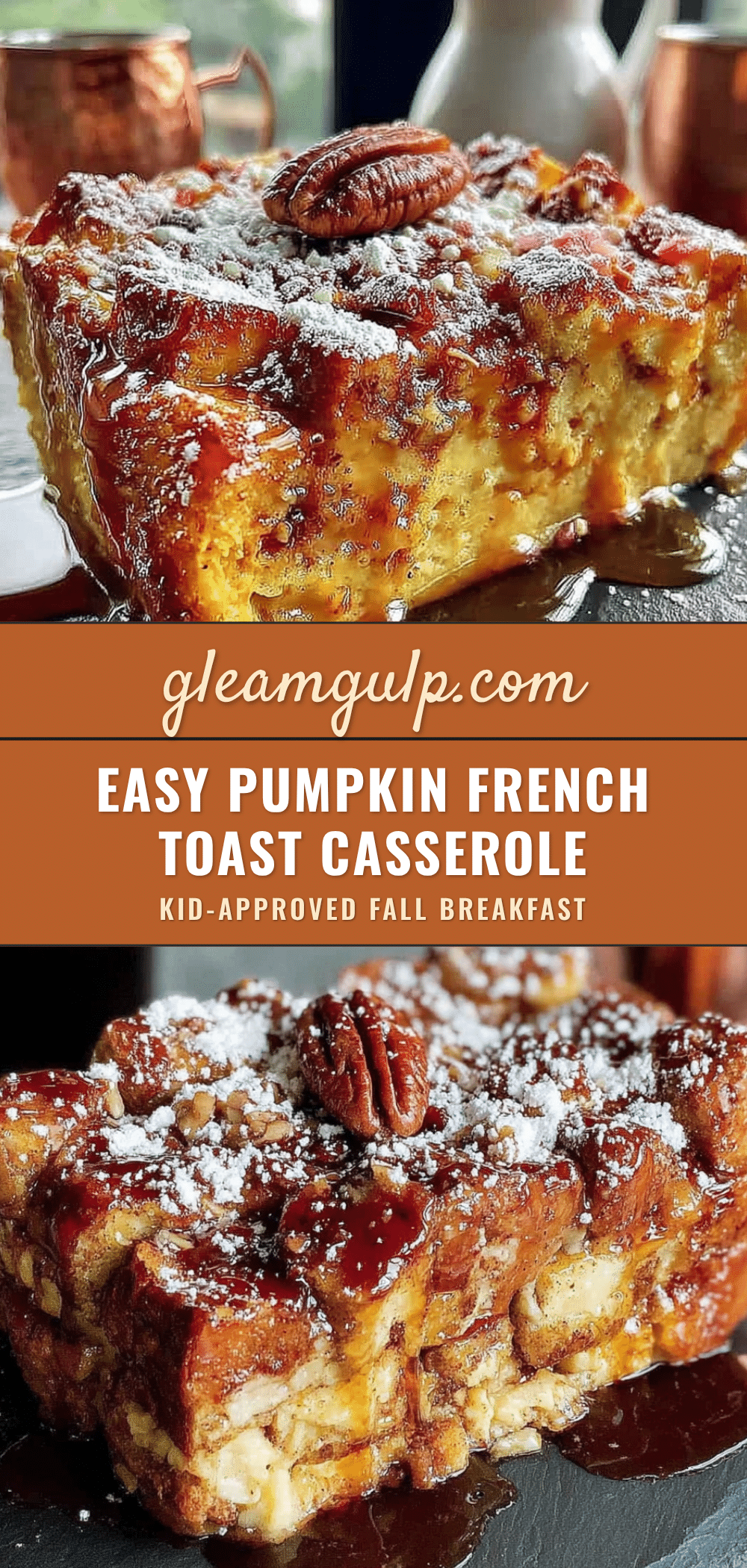
Easy Pumpkin French Toast Casserole: Best Fall Breakfast

This pumpkin French toast casserole is the perfect fall breakfast that even pumpkin skeptics will love. It’s easy to make with simple ingredients, has a soft custard center with crispy edges, and is topped with a buttery streusel.
- Prep Time: 15 minutes
- Cook Time: 40-45 minutes
- Total Time: 1 hour 10 minutes (including soaking time)
- Yield: 8 servings 1x
- Category: Breakfast
- Cuisine: American
Ingredients
- 1 loaf (14-16 ounces) sturdy bread (brioche, challah, or French bread), cut into 1-inch cubes
- 6 large eggs
- 1 ½ cups whole milk (or 2%)
- 1 cup pumpkin puree (100% pumpkin, not pie filling)
- ½ cup packed brown sugar (light or dark)
- 2 teaspoons vanilla extract
- 2 teaspoons ground cinnamon
- 1 teaspoon ground nutmeg
- ½ teaspoon ground ginger
- ¼ teaspoon ground cloves
- ⅛ teaspoon black pepper
- ½ teaspoon salt
- 2 tablespoons melted butter (for greasing and drizzling)
- For the streusel topping:
- ½ cup all-purpose flour
- ½ cup packed brown sugar
- ½ cup cold butter, cut into small cubes
- 1 teaspoon cinnamon
- Pinch of salt
Instructions
- Prep the bread: Cut bread into 1-inch cubes. If fresh, spread on a baking sheet and let dry for 1 hour, or toast at 300°F for 10 minutes.
- Grease the dish: Rub the bottom and sides of a 9×13-inch baking dish with melted butter.
- Make the custard: In a large bowl, whisk eggs until frothy. Add pumpkin puree, milk, brown sugar, vanilla, cinnamon, nutmeg, ginger, cloves, black pepper, and salt. Whisk until smooth and uniform.
- Assemble the casserole: Place half the bread cubes in the dish in an even layer. Pour half the custard over the top. Add remaining bread cubes and pour remaining custard. Gently press bread down with a spatula to soak.
- Let it soak: Let the casserole sit at room temperature for at least 15 minutes (or cover and refrigerate overnight; bring to room temperature 30 minutes before baking).
- Make the streusel: In a small bowl, combine flour, brown sugar, cinnamon, and salt. Cut in cold butter using a pastry cutter, forks, or fingers until mixture resembles coarse crumbs with pea-sized butter pieces. Refrigerate until ready to use.
- Bake: Preheat oven to 350°F. Sprinkle streusel topping evenly over the soaked bread. Bake for 40-45 minutes, until golden brown and center is set (jiggles slightly but not liquidy). Tent with foil if browning too fast.
- Rest: Let the casserole rest for at least 10 minutes before serving to allow it to set.
Notes
For best results, use day-old sturdy bread like brioche or challah. Don’t skip the soaking step—it ensures even custard absorption. The streusel topping is optional but highly recommended. For a dairy-free version, use oat milk or almond milk and plant-based butter. The casserole can be assembled the night before and refrigerated. Leftovers keep for up to 4 days in the fridge and can be frozen for up to 3 months.
Nutrition
- Serving Size: 1 serving (1/8 of ca
- Calories: 380420
- Sugar: 28
- Sodium: 450
- Fat: 18
- Saturated Fat: 10
- Carbohydrates: 48
- Fiber: 3
- Protein: 12
Keywords: pumpkin french toast casserole, fall breakfast, pumpkin casserole, easy breakfast, holiday brunch, pumpkin recipe