Love this? Save it for later!
Share the inspiration with your friends
“You know that moment when you’re stirring what should be a silky sauce, but instead it’s clinging like glue to your spoon? Yeah, that happened to me just last Thursday night — I was racing to finish dinner before a Zoom call and somehow ended up with a sauce so thick it could’ve doubled as glue for my pot lids. Honestly, I wasn’t sure whether to toss it or try to fix it. Then my neighbor, who’s more of a barbecue master than a saucier, popped by and casually dropped a couple of easy tips to thin thick sauce perfectly without losing flavor.”
It’s funny how sometimes the best cooking advice comes when you least expect it — and from someone you never imagined would be a kitchen guru. Those quick tips saved my dinner and, honestly, transformed the way I handle sauces forever. Maybe you’ve been there too, staring at a pot of sauce thinking, “How do I fix this without turning it into watery soup?” Well, let me tell you, this isn’t just about thinning sauce; it’s about keeping that rich, bold flavor intact while making your dish shine. I’m excited to share these simple, trustworthy tricks that I keep coming back to whenever my sauce gets a little too ambitious in thickness.
So, if you’ve ever struggled with thick sauce that’s just a bit too much, you’re in the right place. Let’s get your sauce flowing perfectly — no stress, no bland watery mess, just tasty saucy goodness every single time.
Why You’ll Love This Recipe
After testing these easy tips over countless dinners (and a few kitchen disasters), I can confidently say this approach to thinning thick sauce is a game changer. Here’s why you’ll find yourself coming back to these techniques:
- Quick & Easy: Each tip can be done in minutes, perfect for busy weeknights or when you’re short on time but craving that perfect sauce texture.
- Simple Ingredients: No need for fancy thickeners or complicated additives — just what’s likely already in your pantry or fridge.
- Perfect for Any Meal: Whether you’re making a cozy stew, a zesty pasta sauce, or a creamy gravy, these tricks fit right in.
- Crowd-Pleaser: No more worries about sauces that are too gloopy or bland; your family and guests will notice the difference.
- Unbelievably Delicious: The flavor stays rich and full-bodied, proving you don’t need to sacrifice taste for texture.
What sets this apart is that these tips respect the sauce’s original flavor, rather than watering it down or losing that comforting punch. For example, I always recommend adding warm broth gradually instead of cold water — it keeps the sauce vibrant, not dull. Honestly, it’s the kind of kitchen hack that makes you close your eyes and smile with that first perfect spoonful.
Plus, these techniques are adaptable — so no matter what kind of sauce you’re working with, you can tweak the approach a bit and get fantastic results. It’s comfort food magic made simple and reliable.
What Ingredients You Will Need
This guide focuses on thinning thick sauce using a few easy-to-find ingredients that gently loosen up your sauce without losing its soul. Here’s what you’ll want on hand:
- Broth or Stock (chicken, beef, or vegetable): Warm, low-sodium to keep flavor balanced. I prefer homemade or brands like Imagine Organic for a clean taste.
- Water: Use sparingly and warm, only if broth isn’t available.
- Milk or Cream: For creamy sauces, adding a splash of warm milk or heavy cream can both thin and enrich the texture.
- Butter: Unsalted, softened — adds silkiness and a flavor boost when whisked in at the end.
- Acidic liquids (like lemon juice or vinegar): Used in tiny amounts to brighten flavor without thinning too much.
- Cornstarch or arrowroot slurry: Optional for gently adjusting thickness if the sauce becomes too thin.
Most of these are pantry staples or fridge basics, which is why these tips are so easy to pull off at the last minute. If you’re dairy-free, swapping milk or cream for coconut milk or almond milk works well, too. For seasonal twists, consider using vegetable broth infused with fresh herbs picked from your garden — it adds a lovely fresh note.
Equipment Needed
Thinning sauce doesn’t require fancy equipment, but having the right tools helps you get the job done smoothly.
- Medium-sized saucepan: For reheating and stirring your sauce gently.
- Whisk: Essential for blending in liquids smoothly without lumps.
- Measuring cups and spoons: To add liquids carefully and avoid over-thinning.
- Heatproof spatula: Handy for scraping the bottom and sides of the pan.
- Small bowl: Useful if you’re making a slurry to adjust thickness.
If you don’t have a whisk, a fork can do in a pinch — just be prepared for a bit more elbow grease. Personally, I like a silicone whisk because it’s gentle on nonstick pans and easy to clean. For those on a budget, a simple stainless steel whisk from any kitchen store works perfectly well.
Preparation Method
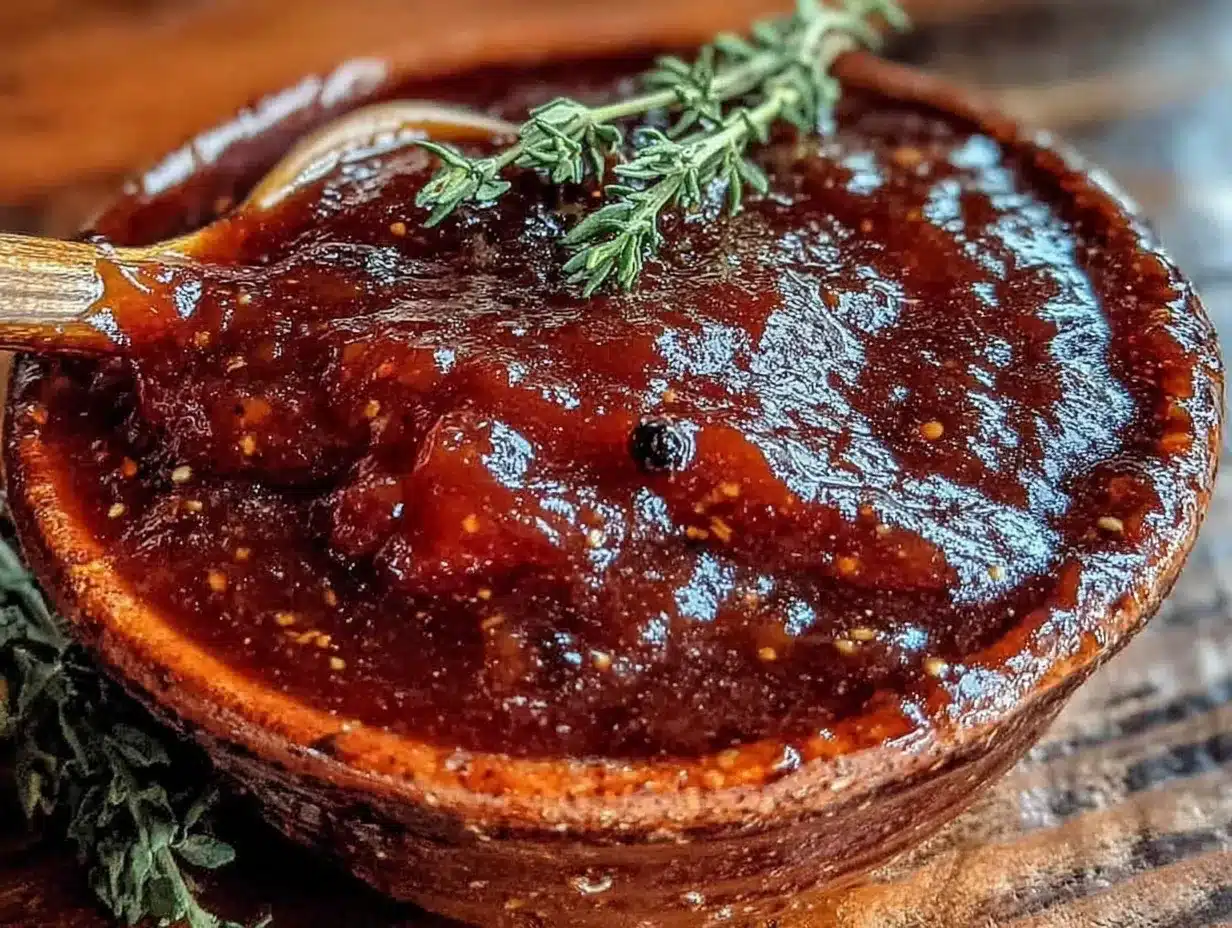
- Assess your sauce thickness: Before adding anything, stir your sauce gently and see how it coats the back of a spoon. If it sticks too thickly or clumps, it’s time to thin.
- Warm your thinning liquid: Whether broth, water, or milk, heat it gently in a separate pan or microwave until hot but not boiling (about 140°F/60°C). Warm liquids blend better and keep flavor intact.
- Add liquid gradually: Pour in just 1 to 2 tablespoons (15-30 ml) of the warm liquid at a time. Whisk briskly after each addition to incorporate evenly. This slow approach helps avoid over-thinning.
- Simmer gently: Once you’ve reached your desired consistency, lower the heat and let the sauce simmer for 3-5 minutes. This melds the flavors and lets the sauce thicken slightly again if needed.
- Adjust seasoning: Thick sauces often become concentrated, so taste and add salt, pepper, or a splash of acid (like lemon juice) to brighten the flavor after thinning.
- Finish with a pat of butter (optional): Stir in 1 tablespoon (14 g) of unsalted butter off the heat for added richness and shine.
- For stubborn thickness: If the sauce is still too thick, mix 1 teaspoon (5 ml) cornstarch or arrowroot with 1 tablespoon (15 ml) cold water to create a slurry. Slowly whisk this into the sauce, simmer until it thickens slightly.
- Final check: The sauce should now coat the spoon lightly but flow off easily. If it still feels heavy, repeat thinning steps carefully.
One time, I accidentally added too much cold water and ended up with a bland sauce — lesson learned: always warm your liquid! Also, be patient — rushing can lead to watery sauce or lumps.
Cooking Tips & Techniques
Here are some tricks I learned the hard way to help you master thinning sauce every time:
- Warm liquids only: Cold liquids shock the sauce and cause separation or clumping. Always warm your broth, water, or milk before adding.
- Go slow: Adding liquid bit by bit helps you control the texture without overshooting and making your sauce too runny.
- Whisk constantly: This prevents lumps and helps mix liquids smoothly into the thick base.
- Simmer gently: Avoid boiling; high heat can break the sauce or cause it to reduce too fast.
- Use a slurry wisely: Slurry is great to thicken again if you over-thin, but adding it too soon can make sauce gummy. Patience is key.
- Season after thinning: Flavors concentrate in thick sauces, so adjusting salt and acid after thinning is essential for balance.
Honestly, I once ruined a whole batch of gravy by rushing with cold water and too much slurry. Now, I take my time and trust the process — it’s worth the extra minute or two.
Variations & Adaptations
These tips are flexible and can be adapted to fit your dietary needs or flavor preferences:
- Dairy-Free: Swap milk or cream for coconut milk or unsweetened almond milk to thin creamy sauces while keeping richness.
- Gluten-Free: Use arrowroot powder instead of cornstarch for your slurry to keep it safe for gluten-sensitive diets.
- Flavor Boost: Add a splash of soy sauce or Worcestershire sauce to your broth for an umami lift while thinning.
- Herbal Twist: Infuse broth with fresh herbs like thyme or rosemary before adding to sauce for extra aroma.
- Low Sodium: Use homemade or low-sodium broth and adjust seasoning gradually to keep control over saltiness.
Personally, I love adding a touch of sherry vinegar to my beef gravy when thinning — it brightens the sauce and adds a subtle tang that keeps things interesting.
Serving & Storage Suggestions
Serve your perfectly thinned sauce warm, spooned generously over your main dish. Whether it’s roasted chicken, steamed veggies, or mashed potatoes, the right sauce texture makes all the difference.
Pair with simple sides like garlic mashed potatoes or roasted root vegetables to complement the sauce’s flavor. A crisp white wine or herbal iced tea can balance the richness nicely.
To store, let the sauce cool to room temperature, then transfer to an airtight container. Refrigerate for up to 3 days. When reheating, warm gently on the stove over low heat, whisking occasionally. If the sauce thickens in the fridge, add a splash of warm broth or water and whisk to loosen.
Flavors often deepen overnight, so sometimes it’s even better the next day — just remember to adjust seasoning before serving.
Nutritional Information & Benefits
Thinning sauce with broth or water keeps calories and fat in check compared to adding cream or butter alone. Using homemade broth boosts nutrients and reduces sodium intake versus store-bought options. Key ingredients like butter add healthy fats that aid vitamin absorption, while acidic components can help balance digestive processes.
This method supports flexible eating styles — easily adapted for low-calorie, dairy-free, or gluten-free diets. Just watch for allergens in commercial broths or thickeners if you have sensitivities.
From a wellness standpoint, avoiding overly thick, heavy sauces can help with digestion and satiety — making your meals both delicious and comfortable to enjoy.
Conclusion
Thinning thick sauce doesn’t have to be a kitchen headache or a flavor compromise. With these easy tips, you can rescue that sauce, keep the taste rich and bright, and serve meals that feel truly special. I love how these small tricks turn a potential kitchen flop into a proud moment — and I hope you experience the same satisfaction.
Remember, cooking is your playground, so don’t be afraid to experiment and make these tips your own. If you try these methods, I’d love to hear how they worked out or any personal twists you added. Sharing kitchen stories like this keeps the joy of cooking alive!
Happy saucing — may your dishes be saucy, smooth, and full of flavor every single time.
FAQs
How can I thin sauce without losing flavor?
Use warm broth or stock instead of water and add it gradually while whisking. This helps retain flavor while adjusting thickness.
Can I use milk to thin thick sauce?
Yes, warm milk or cream works well for creamy sauces, adding both moisture and richness.
What if my sauce becomes too thin after thinning?
Make a slurry with cornstarch or arrowroot mixed with cold water, then whisk it into the sauce and simmer until it thickens to the desired consistency.
Is it okay to use cold liquid to thin sauce?
Cold liquids can cause sauces to clump or separate. Always warm your thinning liquid before adding for best results.
Can I thin sauce for gluten-free diets?
Absolutely! Use gluten-free broths and arrowroot powder for thickening instead of wheat-based cornstarch.
Pin This Recipe!
Thin Thick Sauce Easily with 5 Perfect Tips for Flavorful Results

Learn simple and effective tips to thin thick sauces without losing flavor, ensuring a perfect sauce texture every time.
- Prep Time: 5 minutes
- Cook Time: 10 minutes
- Total Time: 15 minutes
- Yield: Varies (depends on sauce quantity)
- Category: Sauce Preparation
- Cuisine: Universal
Ingredients
- Warm broth or stock (chicken, beef, or vegetable), low-sodium
- Warm water (use sparingly if broth is unavailable)
- Warm milk or heavy cream (for creamy sauces)
- Unsalted butter, softened
- Acidic liquids like lemon juice or vinegar (in small amounts)
- Cornstarch or arrowroot slurry (optional for adjusting thickness)
Instructions
- Assess your sauce thickness by stirring gently and checking how it coats the back of a spoon.
- Warm your thinning liquid (broth, water, or milk) to about 140°F (60°C) before adding.
- Add 1 to 2 tablespoons (15-30 ml) of the warm liquid gradually, whisking briskly after each addition.
- Simmer the sauce gently for 3-5 minutes to meld flavors and allow slight thickening.
- Adjust seasoning by tasting and adding salt, pepper, or a splash of acid like lemon juice.
- Optionally, stir in 1 tablespoon (14 g) of unsalted butter off the heat for richness and shine.
- If sauce remains too thick, prepare a slurry with 1 teaspoon (5 ml) cornstarch or arrowroot and 1 tablespoon (15 ml) cold water, then whisk into the sauce and simmer until thickened.
- Perform a final check to ensure the sauce coats the spoon lightly but flows off easily; repeat thinning steps if necessary.
Notes
Always warm your thinning liquids before adding to avoid clumping or separation. Add liquids gradually and whisk constantly to control texture. Use slurry cautiously to avoid gummy sauce. Adjust seasoning after thinning to maintain flavor balance.
Nutrition
- Serving Size: Per serving varies d
- Calories: 3050
- Sugar: 12
- Sodium: 1002002
- Fat: 242
- Saturated Fat: 122
- Carbohydrates: 132
- Protein: 12
Keywords: thin sauce, thick sauce, sauce thinning tips, how to thin sauce, sauce texture, cooking tips, flavorful sauce